
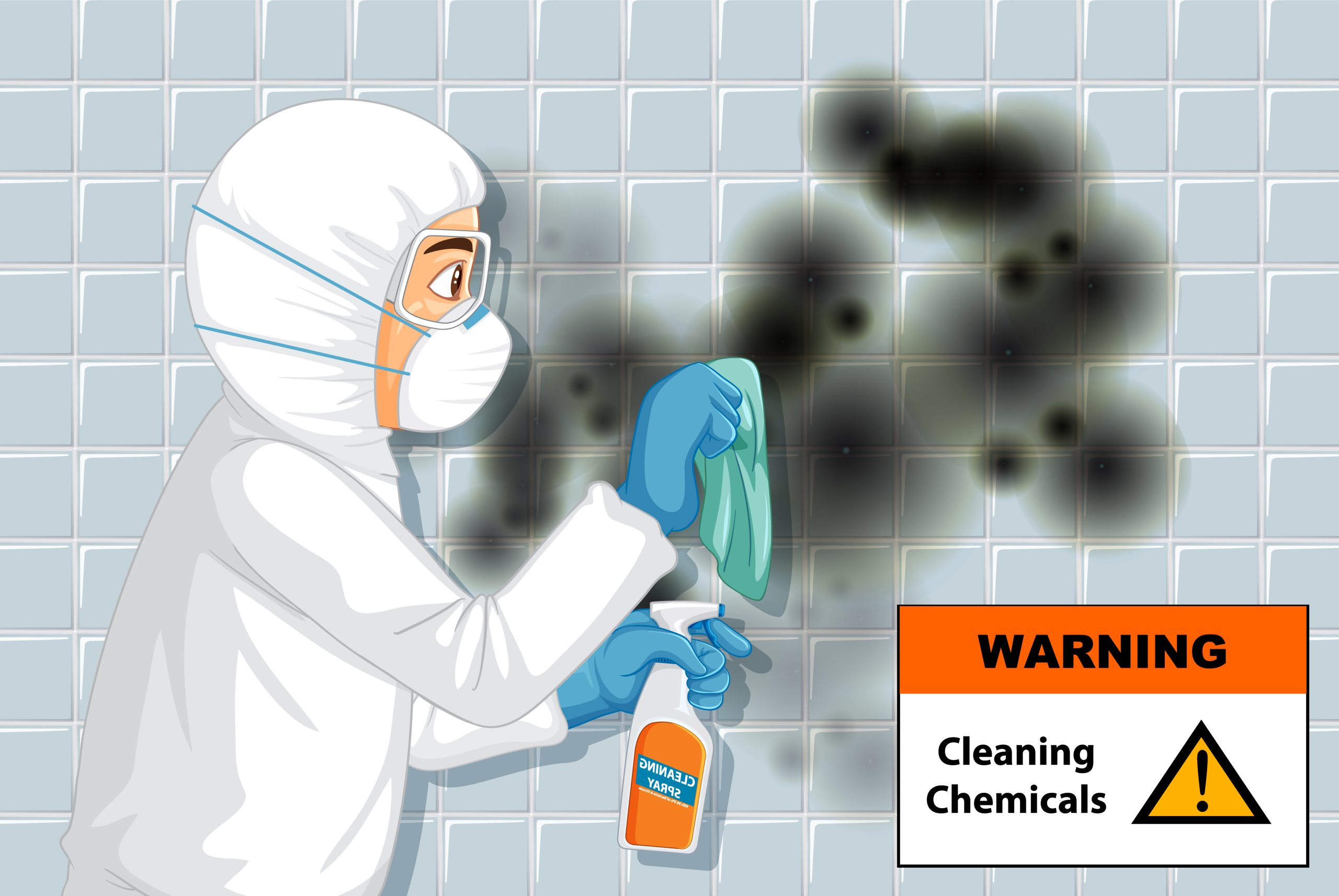
In Australia, professional mould remediation specialists are trained to carefully inspect, contain and remove harmful fungal development from homes, adhering to the strict AS-IICRC S520:2025 standard. The climate in Australia is diverse, and this provides excellent circumstances for the proliferation of harmful spores. If dampness is left untreated, it can swiftly cause catastrophic structural decay and cause serious respiratory problems. This all-in-one guide offers a complete explanation of how qualified professionals eradicate residential infestations, what property owners may expect during the restoration process, and the exact actions required to permanently safeguard indoor air quality.
Key Points to Remember.
- Industry Standards The official adoption of AS-IICRC S520:2025 provides a legally accepted, science-based standard for professional mould removal in Australia.
- Health hazards: NSW Health and enHealth say ongoing exposure to indoor fungi can worsen asthma, cause skin irritation and hazardous reactions to mycotoxins.
- Certified remediation is a specialized process that incorporates a rigorous six-step technique including HEPA air filtering and structural drying to minimize cross-contamination.
- Cost vs. Value: Professional cleanup costs $300 per room on average , but DIY eradication on porous surfaces sometimes spreads spores , leading to greater repair expenses later .
Health concerns of mould exposure in Australian homes
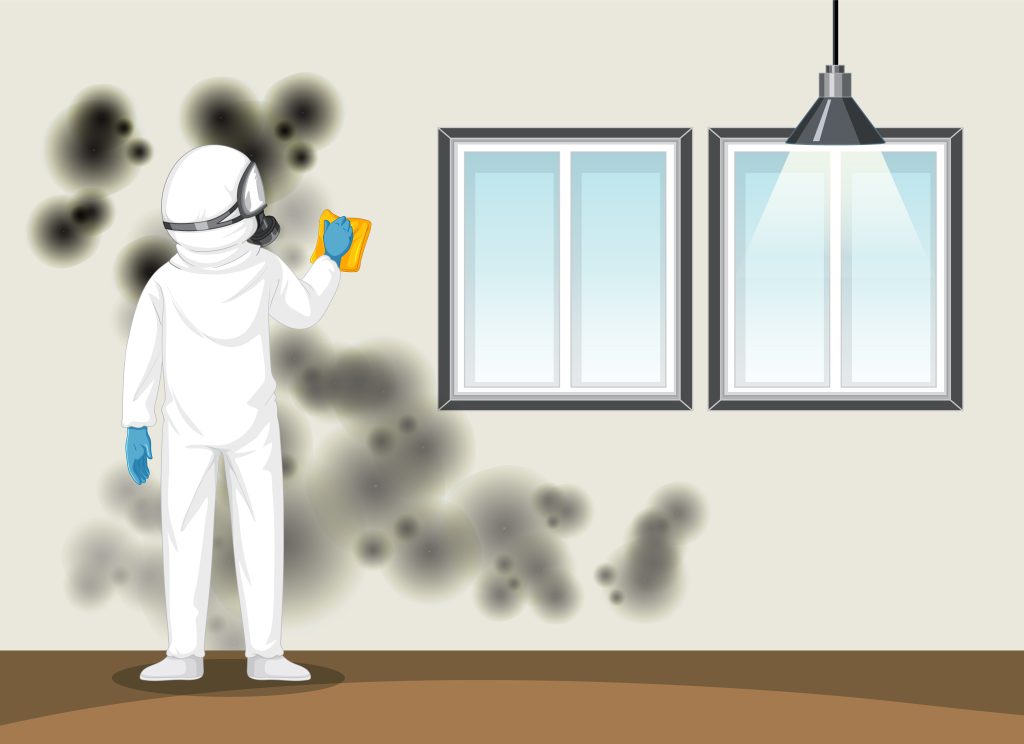
Mould exposure is a serious concern to the human respiratory system, immunological system and overall physical health. When fungi invade indoor surroundings, they release microscopic spores and volatile organic compounds (VOCs) into the air. When inhaled these particles can elicit immunological responses in healthy individuals and lead to severe consequences in immunocompromised patients.
Persistent runny noses, eye discomfort, skin rashes and severe wheezing are the most typical physical symptoms to indoor mould, according to guidelines issued by NSW Health and enHealth (the Australian Centre for Disease Control). For the 2.7 million Australians with asthma, indoor fungal growth is a potent environmental trigger that can create life-threatening respiratory episodes.
Some types of fungi ( such as Stachybotrys chartarum , sometimes known as black mould ) create harmful metabolites called mycotoxins , as well as typical allergic reactions . Chronic weariness, terrible headaches, and cognitive problems are caused by living in a poorly ventilated home and being exposed to mycotoxins for a long period of time. There is no visible difference between harmless and extremely dangerous types of fungus. Health officials urge that all mould outbreaks indoors should be treated as potential biological threats.
When to call a professional mould remediation expert?
You should employ a professional mould remediation specialist if the fungal growth spans an area larger than one square metre, contaminates the HVAC system or recurs after surface cleaning. You will also need to hire a professional if the infestation has been caused by very contaminated water sources like sewage backup or flooding.
Mildew on the surface of non-porous bathroom tiles can typically be treated with household cleaning chemicals and better ventilation. But the structural mould is very different. Fungi have root-like structures called hyphae that penetrate deep into porous building materials such as plasterboard, timber frame and carpet underlay. The hyphae underneath the surface remain intact when property owners try to scrub off the visible surface layer with bleach and the organism grows back in days.
Disturbing a mature fungal colony without suitable containment methods allows the organism to expel millions of defense spores into the interior air. Then the spores are borne by the air currents of the home, and settle and colonise rooms that were previously uncontaminated. Before removal begins, certified personnel might utilize negative air pressure and physical barriers to fully isolate the threat.
How do certified experts eradicate mold from a property?
To eliminate mold, certified mold remediation specialists follow a rigorous and scientific process that is described by the AS-IICRC S520:2025 standard. This system assures total removal of the biological danger and protects the health of the building occupants and the integrity of the structure.
The professional remediation procedure normally includes six separate steps as follows:
- Detailed site assessment
Technicians start by finding the source of the moisture incursion. Using advanced diagnostic equipment like thermal imaging cameras and digital moisture meters, they map the exact level of dampness behind walls and beneath floors. - The body confinement
Specialists isolate the afflicted area with heavy-duty plastic sheeting and containment zippers to prevent cross-contamination. They close doorways and block all HVAC vents so spores cannot migrate to clean portions of the structure during the deconstruction phase. - High-performance air filtration
Once the area has been controlled, personnel set up commercial air scrubbers equipped with HEPA (High-Efficiency Particulate Air) filters. The devices create a negative air pressure inside the containment area, constantly sucking airborne spores out of the environment and blowing clean air out into the open. - Removal and demolition in safety
Professionals properly remove any salvageable infected porous materials such as severely infested drywall, insulation and carpets. They are then sealed in heavy-duty plastic bags before being transported off the premises, to avoid spore spread. Non-porous surfaces such as glass and metal are treated with antimicrobials for a complete cleaning. - Structural drying and dehumidification
Getting rid of the apparent fungus is only half the battle; the environment needs to be made unfriendly to future growth. Technicians use industrial dehumidifiers and high velocity air movers to remove any leftover moisture from the building’s structural timber and concrete slabs, returning the property to its natural dry condition. - Postremediation Verification
The last phase is a comprehensive quality assurance check. Before the containment barriers are taken down, air quality sampling and surface testing are typically done by independent environmental hygienists to scientifically confirm that the indoor spore counts have returned to normal, safe ecological levels.
Postremediation Verification
The last phase is a comprehensive quality assurance check. Before the containment barriers are taken down, air quality sampling and surface testing are typically done by independent environmental hygienists to scientifically confirm that the indoor spore counts have returned to normal, safe ecological levels.
Professional Mould Removal or DIY Cleaning – Which is Better?
Professional mold removal is far better than a DIY cleaning since it gets rid of the source of moisture forever and removes the organism at the root level. DIY approaches often just bleach the surface. If you prioritize long-term structural safety and health over short-term visual benefits, then choose a certified specialist.
To understand the operational differences between these two approaches, check out the comparative table below:
| Feature | DIY Cleaning Methods | Professional Remediation (AS-IICRC S520:2025) |
|---|---|---|
| Root cause analysis | Rarely performed; ignores hidden moisture. | Uses thermal imaging to find and fix leaks. |
| Treatment depth | Bleaches the surface; hyphae roots remain. | Physically extracts and disposes of porous roots. |
| Air quality control | Spreads airborne spores during scrubbing. | Uses HEPA air scrubbers and negative pressure. |
| Chemical usage | Heavy reliance on toxic household bleach. | Uses targeted, industry-approved antimicrobials. |
| Long-term results | High probability of regrowth within weeks. | Permanent eradication (if the leak is fixed). |
How to find a qualified mould remediation service?
Look for a professional mould remediation service that is trained to the AS-IICRC S520:2025 standards and is a member of the Restoration Industry Association (RIA) of Australasia. The Australian restoration sector is largely unregulated, thus the only method to ensure competency is to look for specialized foreign qualifications.
Ask the potential company whether their technicians are IICRC Certified . Specifically ask if they have the Applied Microbial Remediation Technician ( AMRT ) qualification . This accreditation indicates that the technician has been extensively trained in the science of microbial ecology, containment building and advanced drying psychrometry.
Secondly, before you sign any contracts, ask for a precise scope of work. A good specialist won’t give you a quote over the phone without a physical or virtual assessment. Their written proposal should detail their containment measures, the precise commercial equipment they will use and their practices for preserving your family’s health during the process.
How to prevent mould in Australian climates: the best approaches
In Australian climes, the best strategy to prevent mould is to rigorously maintain interior humidity, and fix any unintentional water intrusions as soon as possible. Fungi need three things to survive: oxygen, an organic food supply (like wood or dust), and wetness. You can’t get rid of oxygen or organic elements in your average home, so moisture control is your only practical defense.
Environmental controls To protect your property from fungal infections, do the following:
Improve indoor air ventilation: Keep windows open everyday to get cross-breeze, especially in wet areas like bathrooms and laundries. Make sure to operate the exhaust fan during showering and for at least 30 minutes following to eliminate the dampness.
Mechanical de-humidification: Commercial dehumidifiers are used in tropical areas like Far North Queensland or the torrential rain of La Nina weather patterns. If possible, keep indoor relative humidity at or below 60 percent.
Maintain airflow under the floor: Make sure that the sub-floor vents around the external brickwork of your house are not obstructed by garden mulch or stored goods. Poor sub-floor ventilation leads to increased moisture and extensive fungal growth beneath floors .
Act fast on water damage: If a pipe bursts or a roof leaks, you have about 48 hours to dry out structural materials before microbial growth begins.
Mould remediation – Frequently asked questions
How much does professional mold removal cost in Australia?
In Australia, professional mould removal costs can range from $500 for small isolated jobs to $6,000+ for serious whole house infestations. The typical size room will cost the average homeowner about $300. The final price is mostly determined by the quantity of structural damage, necessary demolitions, and the period that commercial drying equipment is on site.
Does home insurance in Australia cover mould removal?
Mould remediation is often not covered under Australian house insurance policies if it has been caused by gradual wear and tear, continuing maintenance difficulties or poor ventilation. However, if the growth of fungus is a direct, subsequent consequence of a defined covered occurrence such as a sudden burst pipe, a strong storm or a flash flood then major insurers such as AAMI, Allianz and NRMA generally usually cover the remediation and drying costs.
Can You Cover Up Black Mold?
Painting black mould does not get rid of it. Standard acrylic or oil-based paint applied over an active fungal colony will simply trap the moisture, allowing the organism to continue eating the plasterboard from the inside out. Then the mould will blister the fresh paint and get into the surface, looking much worse than it did.
What is the average project time for remediation?
A typical professional remediation project takes three to seven days to complete. The first physical removal and demolition can frequently be completed in a day or two, but the industrial drying equipment requires many days in a row to get the deep structural framing back to a safe moisture equilibrium.
Take measures to safeguard your property and health
Tackling fungal infestation is absolutely crucial to safeguard both your physical welfare and the structural worth of your property. With knowledge of the strict requirements of the AS-IICRC S520:2025 standard, you may confidently work through the remediation process, and hold your contractors to the greatest level of accountability.
If you suspect hidden dampness is damaging your indoor air quality don’t wait for the obvious indications to get worse. Call a local, IICRC-certified restoration specialist today to conduct a complete moisture assessment and take the first important step toward a safe, healthy living environment.

Leave a Reply