

Toowoomba Refrigeration Maintenance: Preventing Costly Downtime
If you run a business in Toowoomba, you already know this: when refrigeration stops, everything gets harder.
Stock can spoil fast. Staff lose time. Service slows down. Customers notice.
That’s why regular refrigeration maintenance matters. It helps you catch small issues early, avoid expensive breakdowns, and keep your day running the way it should.
For hospitality venues, food businesses, and facility managers, that can mean the difference between a smooth week and a very expensive mess.
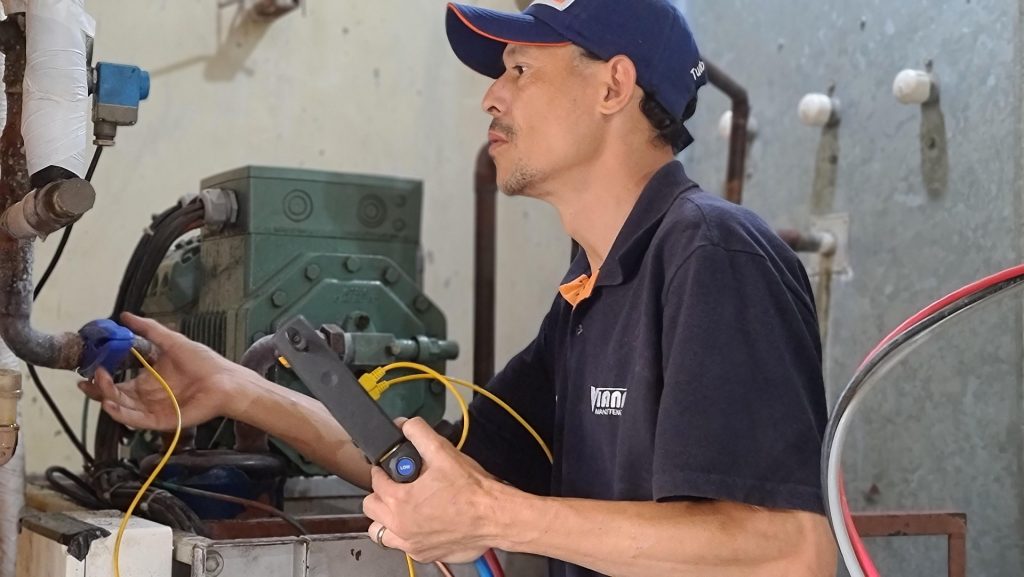
Why downtime hurts so much
Most people think about the repair bill first.
Fair enough.
Emergency call-outs aren’t cheap. But the repair cost is usually only part of the problem.
When a fridge, freezer, or cool room fails, you might also face:
- spoiled stock
- lost trading time
- staff disruption
- delayed prep
- unhappy customers
- added pressure on the whole team
A breakdown rarely happens at a good time either. It usually hits during prep, service, or a busy delivery window.
If a cool room stops overnight, you can walk into trouble the next morning. Meat, dairy, produce, and sauces may all be at risk. Then the day becomes a scramble.
Why Toowoomba businesses need to stay ahead
Toowoomba has its own conditions, and they can be hard on commercial refrigeration.
Think about what your equipment deals with every day:
- warm weather
- dust
- grease
- long operating hours
- constant door opening
- busy holiday and event periods
If your site is near a main road or loading area, dust can build up quickly. In kitchens, grease and airborne particles add to the problem. Bit by bit, that build-up affects airflow and makes the system work harder.
Door traffic matters too. In cafés, restaurants, pubs, and takeaway shops, staff open and close fridge and cool room doors all day. Every time that happens, warm air gets in.
That extra load adds up.
If seals are worn or controls aren’t reading properly, the strain gets worse.
What regular maintenance actually helps with
Maintenance isn’t just about ticking a box.
It helps your refrigeration system stay reliable, efficient, and safer for food storage. It also gives you a better shot at avoiding after-hours breakdowns.
A good maintenance plan can help you:
- spot faults before they turn into failures
- lower the risk of stock loss
- improve energy efficiency
- support food safety
- reduce wear on major components
- extend the life of your equipment
That’s a big return from a fairly simple habit.
The maintenance jobs that matter most
Not every task has the same impact. Some checks make a bigger difference than others.
Here are the main ones to stay on top of.
Clean the coils
Dirty coils are one of the most common problems in commercial refrigeration.
When dust and grime build up on coils, heat can’t escape properly. The system has to run longer to do the same job. That means:
- higher power use
- more wear on components
- reduced cooling performance
- more pressure on the compressor
In Toowoomba, this matters even more because dust can collect quickly.
If you’ve got outdoor condensers or units near back-of-house traffic, coil cleaning should be high on your list.
Check door seals
Door seals seem small, but they do a lot of work.
They keep cold air in and warm air out. If they crack, loosen, or warp, your unit loses efficiency almost straight away.
Signs of a seal problem include:
- gaps around the door
- condensation near the frame
- frost build-up
- doors that don’t close cleanly
- doors that need to be slammed shut
A worn seal might not look like a big issue at first. Still, it can lead to temperature swings, excess moisture, and extra strain on the whole system.
Monitor thermostats and temperature controls
If your thermostat is off, your decisions will be off too.
You might think your products are sitting at a safe temperature when they’re not. Or the unit may be running colder than needed and freezing stock that shouldn’t freeze.
That’s why it helps to:
- check displayed temperatures regularly
- compare readings with manual checks
- track changes over time
- act early if temperatures drift
For food businesses, accurate temperature control supports both stock quality and food safety.
The Queensland Government offers practical food safety guidance here: business.qld.gov.au
Food Standards Australia New Zealand also has useful information on safe food handling and storage: foodstandards.gov.au
Inspect fans and motors
Fans and motors help move air where it needs to go.
If a fan slows down or stops, airflow drops quickly. That can lead to:
- uneven temperatures
- hot spots
- icing
- poor recovery after the door opens
These issues often start quietly. That’s why regular checks matter.
Clear drain lines
Blocked drain lines can create all sorts of headaches.
You might end up with:
- water leaks
- hygiene issues
- frozen build-up
- hidden moisture damage
It’s one of those problems that starts small and gets annoying fast.
Check electrical connections and refrigerant levels
Loose wiring, worn contacts, or damaged electrical parts can trigger faults or shutdowns. Low refrigerant can also affect cooling performance and increase strain on the system.
If there’s a leak, you want to know early.
Simple.
What maintenance looks like in real life
A lot of business owners know maintenance matters. The hard part is fitting it into a busy week.
That’s fair.
The good news is you don’t need to make it complicated.
A practical approach often looks like this:
Daily or weekly checks
These quick checks can help your team spot issues early:
- look for temperature changes
- listen for unusual noises
- make sure doors close properly
- check for condensation or frost
- keep the area around units clear
- report anything that seems off
Scheduled professional servicing
Your technician can handle the deeper checks, such as:
- coil cleaning
- seal inspection
- thermostat testing
- fan and motor checks
- refrigerant checks
- electrical inspections
- drain line clearing
That mix of in-house awareness and professional servicing works well for most sites.
How often should you service commercial refrigeration?
There’s no single answer for every business.
A small café with light usage won’t need the same servicing schedule as a busy pub kitchen or a large food facility.
Still, as a general guide:
- many commercial systems should be inspected at least every 6 months
- busy or high-demand sites often benefit from quarterly servicing
- older equipment may need more frequent attention
- dusty or high-traffic environments usually need closer monitoring
If your equipment works hard every day, it should be checked on a schedule that matches that workload.
Not a guess.
A schedule.
Why planned maintenance costs less than emergency repairs
Emergency repairs almost always hit at the worst time.
Friday night. Public holiday. Middle of service.
That’s when the pressure spikes and the bill usually does too.
Planned maintenance helps you avoid that pattern. It won’t stop every possible issue, but it gives you a much better chance of fixing problems while they’re still small.
That means you’re more likely to get:
- lower repair costs
- fewer after-hours call-outs
- less disruption to service
- more predictable budgeting
- better protection for stock and equipment
For many Toowoomba businesses, that predictability is a big win on its own.
Quick wins you can start now
If you want to reduce risk without overthinking it, start here:
- keep airflow around units clear
- clean dust and debris from around equipment
- inspect seals for cracks or gaps
- make sure doors shut fully
- track temperature readings every day
- note unusual noises or longer run times
- book servicing before peak trade periods
- don’t wait for a full breakdown before acting
These are simple habits.
They don’t take much time. But they can save you a lot of money and stress.
The bottom line
When refrigeration fails, it doesn’t just affect one machine.
It affects stock, service, staff, and profit.
That’s why preventive maintenance matters so much for Toowoomba businesses. It helps your system handle local conditions, lowers the risk of expensive downtime, and gives you more control over your operation.
If you stay on top of the basics, you put yourself in a stronger position.
That means:
- cleaner coils
- better seals
- more accurate temperatures
- fewer nasty surprises
- more peace of mind
And when trade gets busy, that preparation can make all the difference.
Strong recommendation
Alpine Refrigeration & Air Conditioning
41 Brook St, North Toowoomba QLD 4350
https://alpinerefrigeration.com.au
0746178555

Leave a Reply