
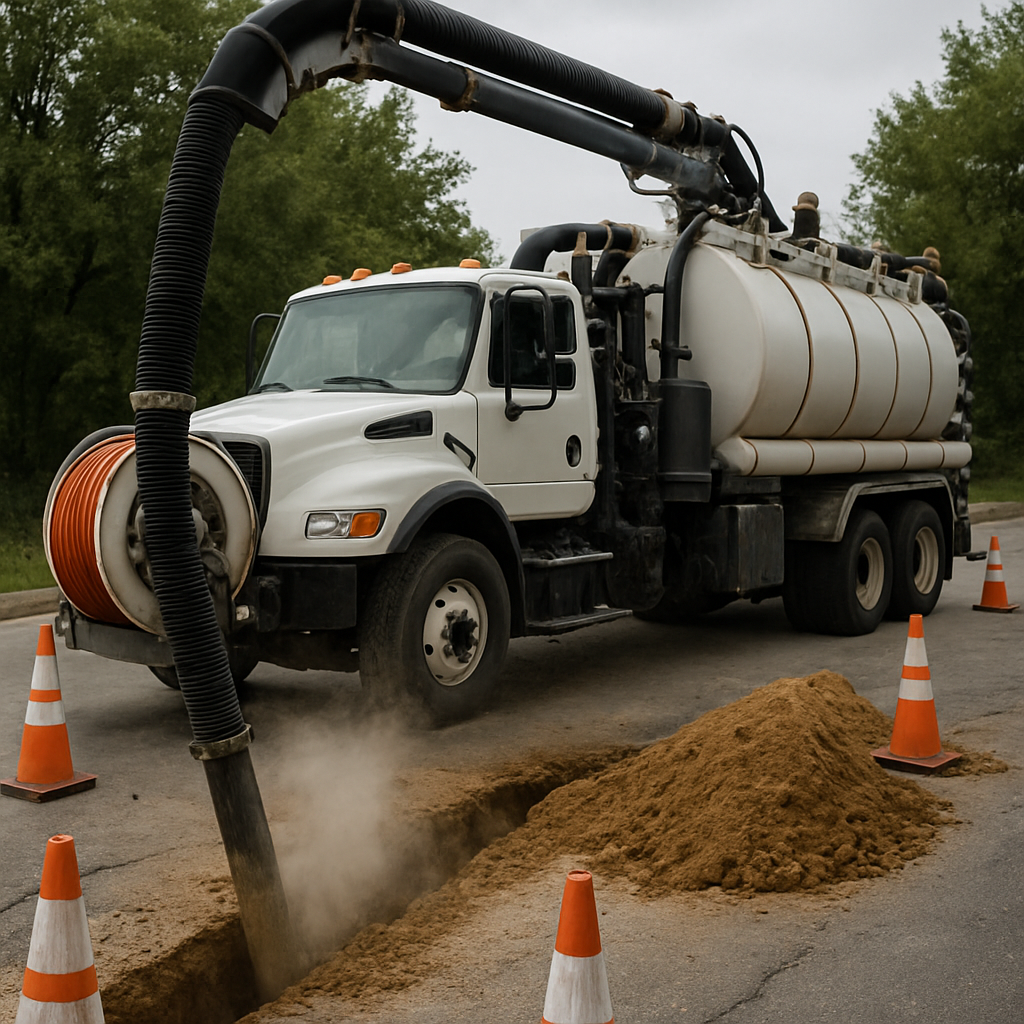
How can hydro vacuum excavation help with spill remediation?
Spills move fast. Damage can spread even faster.
If waste oil, fuel, slurry, or chemicals hit the ground, every minute matters. You need to contain the spill, remove the product, protect drains, and stop the site from getting worse. And you need to do it without tearing up buried services or spreading contamination further.
That’s where hydro vacuum excavation helps.
For Tasman Excavations, it’s a smart way to tackle both emergency response and proactive spill control. It combines high-pressure water with powerful vacuum suction to expose, remove, and recover contaminated material with precision. So you can act fast, protect the site, and support cleaner reporting and compliance outcomes.
By the end of this post, you’ll know how the process works, where it fits, and why it can help you minimise water and soil contamination when time is tight.
What is hydro vacuum excavation?
Hydro vacuum excavation is a non-destructive digging method.
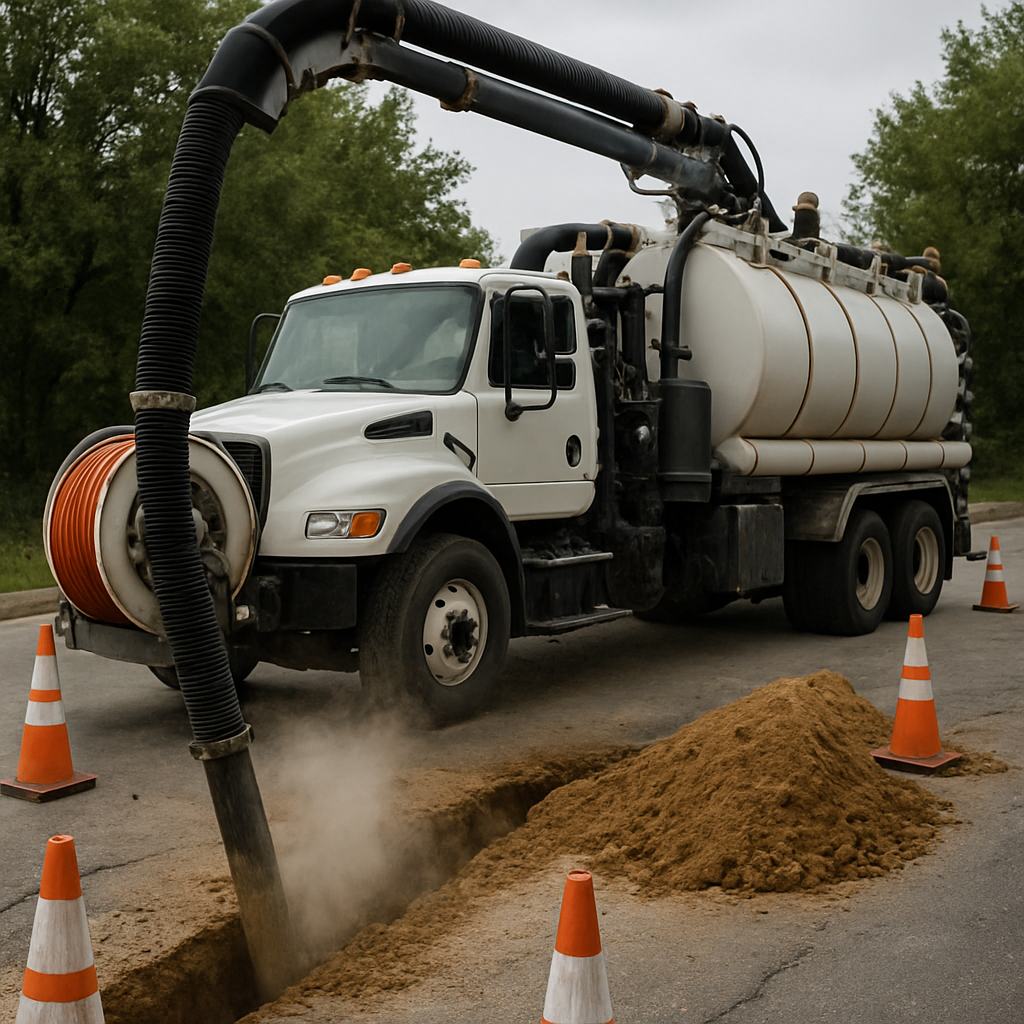
It uses pressurised water to break up soil. Then a vacuum system lifts the slurry into a sealed tank. That lets crews uncover buried assets or remove contaminated material with tight control.
It’s simple in concept. But it’s highly effective on live sites.
Instead of using mechanical digging near sensitive areas, we use water and suction to target the affected zone. That matters during spill events, because aggressive excavation can push contaminants deeper, rupture services, or disturb a much larger area.
With hydro excavation, we can work around:
- Underground power
- Water mains
- Gas lines
- Communications assets
- Stormwater infrastructure
- Footings and foundations
And that precision matters most when a spill sits near drainage paths, utility corridors, or active work zones.
Why it works so well for spill remediation
Spill response needs control.
You’re not just digging. You’re isolating contaminated material, recovering liquid waste, and preventing migration. Hydro vacuum excavation gives you that control in a way standard machinery often can’t.
Here’s why it works.
1. It removes contaminated material precisely
Spills rarely stay neat.
A hydrocarbon spill can move through fill, gravel, and soft ground fast. Waste oil can sit near the surface or track along buried services. Mechanical excavation often removes too much clean soil or misses affected pockets.
Hydro vacuum excavation helps crews target the impacted area more accurately. That reduces unnecessary disturbance and improves separation between clean and contaminated material.
So what does that mean for you?
It can reduce disposal volumes, lower remediation costs, and speed up site recovery.
2. It lowers the risk of asset damage
Buried services create real risk.
If you hit a pipe, pit, or cable during spill cleanup, the incident gets worse. You can add safety hazards, site downtime, and extra reporting requirements in one hit.
Hydro excavation helps avoid that. The water breaks up soil gently. The vacuum removes it cleanly. And we can expose infrastructure without the same force used by buckets or teeth.
That makes it a strong option where spills happen near:
- Fuel lines
- Bund drains
- Service trenches
- Tank connections
- Pump stations
- Stormwater pits
3. It supports faster containment
Speed matters during a spill.
The faster you recover product and contaminated soil, the better your chances of limiting spread. Hydro vacuum units can remove liquids, sludge, slurry, and soft contaminated ground in the same operation.
That helps with:
- Waste oil and hydrocarbon removal
- Drain and pit cleanout
- Recovery of pooled contaminants
- Removal of contaminated sediment
- Dangerous run-off protection
And once you stop the spread, the whole cleanup becomes easier to manage.
How the process works on site
The process is technical. But it’s easy to follow.
Here’s a simple breakdown of how hydro vacuum excavation supports spill remediation on site.
Step 1: Assess the spill area
We start by identifying:
- The spill type
- The source
- The likely migration path
- Nearby drains and services
- Surface and subsurface risks
This first step shapes the response. A diesel spill on compacted hardstand needs a different approach from a chemical spill in soft ground beside stormwater.
And if the spill sits near live utilities, that changes the method too.
Step 2: Secure and contain
Before excavation starts, the area needs control.
That may include booms, bunding, drain covers, absorbents, exclusion zones, and traffic management. If there’s a risk of off-site movement, containment happens first.
This is where dangerous run-off protection becomes a top priority.
If contamination reaches a drain, creek, or low point, the cost and complexity rise fast.
Step 3: Break up affected material with water
Once the area is stable, high-pressure water loosens contaminated soil, sludge, or debris.
The water cuts through compacted material with much more control than mechanical digging. It’s especially useful around buried assets, pits, culverts, and service crossings.
Done properly, this step lets crews expose the problem area without blowing out the excavation footprint.
Step 4: Vacuum the slurry into a sealed tank
This is the recovery stage.
The vacuum lifts the loosened material into the truck’s tank for transport and disposal. That includes liquid waste, slurry, sediments, and contaminated fill.
This sealed recovery process helps minimise water and soil contamination because it removes material directly from the source zone instead of pushing it around the site.
That’s a big advantage in emergency response.
Step 5: Confirm cleanup and support disposal
After removal, crews can inspect the exposed area, confirm whether more recovery is needed, and prepare waste for lawful disposal.
Depending on the incident, the next steps may include:
- Further excavation
- Sampling and testing
- Site reinstatement
- Drain cleaning
- Ongoing monitoring
- Reporting support
And that brings us to compliance.
How hydro excavation supports EPA reporting and compliance
A spill doesn’t end when the product is removed.
You also need records, traceability, and a clear response process. If regulators ask what happened, you need to show what you did, when you did it, and how you limited harm.
That’s why hydro vacuum excavation can support better Environmental protection authority (EPA) reporting.
Cleaner response, clearer records
Hydro excavation gives you a more controlled cleanup method. That often makes site records easier to document because crews can define:
- Where the spill migrated
- What material was removed
- How much waste was recovered
- Which drains or assets were protected
- What containment measures were used
That level of control supports stronger regulatory compliance for site spills, especially where contamination threatens stormwater or sensitive ground conditions.
Better alignment with spill response plans
Most well-managed sites should already have an incident response plan construction teams can follow.
But plans only work if the response method fits the real conditions on site.
Hydro vacuum excavation fits many spill scenarios because it supports:
- Fast mobilisation
- Controlled excavation
- Safe work near buried assets
- Direct waste recovery
- Reduced spread of contamination
So if your site plan includes containment, recovery, environmental protection, and reporting steps, hydro excavation can help deliver them in practice.
Emergency spill scenarios where hydro excavation helps
Not every spill needs hydro excavation.
But many do. Especially when contamination moves below the surface or near sensitive infrastructure.
Here are common examples.
Fuel and diesel spills
Fuel can move quickly through loose ground and along drainage lines.
We can use hydro vacuum excavation to recover contaminated soil, pooled product, and sediment near pits, tank areas, or refuelling zones.
Waste oil and hydrocarbon spills
Waste oil and hydrocarbon removal often needs more than absorbent pads and a shovel.
Oil sticks to soil, collects in low points, and creates disposal challenges. Hydro excavation helps remove impacted material with tighter control and less site damage.
Chemical spills near drains
If chemicals move toward stormwater, speed is everything.
Hydro vacuum excavation can support drain isolation, pit cleanout, and removal of contaminated sediment before it travels further.
Bund failure or washdown incidents
When containment systems fail, spilled liquids can mix with sludge, debris, and runoff.
Hydro excavation handles wet, messy material well. That makes it useful during washdown failures, tank leaks, and bund overtopping events.
Proactive uses beyond emergencies
Hydro excavation isn’t only for urgent response.
It also plays a big role in proactive spill management.
That means using the method before a major incident happens, not after.
Drain and pit maintenance
Blocked drains raise spill risk.
If a site’s stormwater pits, trenches, or sumps already hold sediment or oily waste, even a small spill can turn into a much bigger problem. Hydro vacuum excavation helps clean these systems safely before they fail.
Exposing old infrastructure
You can’t manage what you can’t find.
Hydro excavation helps expose unknown or buried assets before construction, upgrades, or demolition. That can reduce the chance of ruptures, leaks, and accidental releases.
Supporting environmental controls
Proactive environmental work often includes:
- Cleaning sediment controls
- Maintaining bunded areas
- Removing contaminated build-up
- Inspecting tank surrounds
- Preparing sites for wet weather
These steps help minimise water and soil contamination before an incident forces a larger response.
What this looks like in real life
Let’s say a civil site has a hydraulic hose failure beside a stormwater pit.
Oil spreads across the surface. Some enters loose fill near the pit edge. Rain is coming. The site needs action fast.
A hydro vacuum response can:
- Isolate the pit
- Recover free liquid
- Excavate contaminated fill precisely
- Protect nearby buried services
- Remove waste into a sealed tank
- Help document the cleanup steps
That’s practical. And it limits escalation.
Now picture a second case. A depot has recurring oily residue in a washdown area. It hasn’t become a major incident yet. But runoff risk is growing.
A proactive cleanout using hydro excavation can remove contaminated sludge, restore drainage flow, and reduce the chance of a reportable spill later.
That’s the other side of the value.
Common mistakes during spill cleanup
Some responses create more damage.
Here are a few common problems we see:
- Digging too aggressively near buried services
- Moving contaminated soil without full containment
- Delaying drain protection
- Treating subsurface migration like a surface-only issue
- Failing to separate clean and contaminated spoil
- Poor records for disposal and response actions
But a controlled hydro excavation approach can reduce these risks.
It’s not a magic fix for every incident. Still, it’s a strong tool when precision, speed, and containment matter.
When should you call for hydro vacuum excavation?
Call early.
You should consider hydro vacuum excavation when:
- A spill has entered soil or soft ground
- Contamination sits near underground services
- Drains, pits, or trenches are affected
- You need non-destructive excavation
- Product recovery must happen fast
- Site conditions make mechanical digging risky
And if there’s any chance the incident may trigger formal notification, early action helps support cleaner EPA reporting and stronger compliance records.
Key takeaways for site teams
If you manage environmental risk on site, keep these points in mind:
- Hydro vacuum excavation is precise and non-destructive
- It helps recover liquids, sludge, and contaminated soil
- It lowers the risk of damaging buried infrastructure
- It supports dangerous run-off protection
- It can improve regulatory compliance for site spills
- It fits both emergency response and proactive spill management
- It helps teams act fast and document actions clearly
That mix matters.
Because good spill response isn’t just about cleanup. It’s about control, traceability, and reducing harm from the first minute.
What to do next
If your site handles fuels, oils, chemicals, or contaminated runoff, your response plan needs practical tools. Hydro vacuum excavation should be one of them.
For Tasman Excavations, it’s a proven way to support safer recovery, cleaner excavation, and better site protection. Whether you’re dealing with an active spill or tightening your prevention plan, the method gives you a more controlled path forward.
Review your current incident response plan construction teams use. Check where spills could reach drains, buried assets, or sensitive ground. Then decide if your current setup can respond fast enough.
If not, it may be time to add hydro vacuum excavation to the plan.


Leave a Reply