
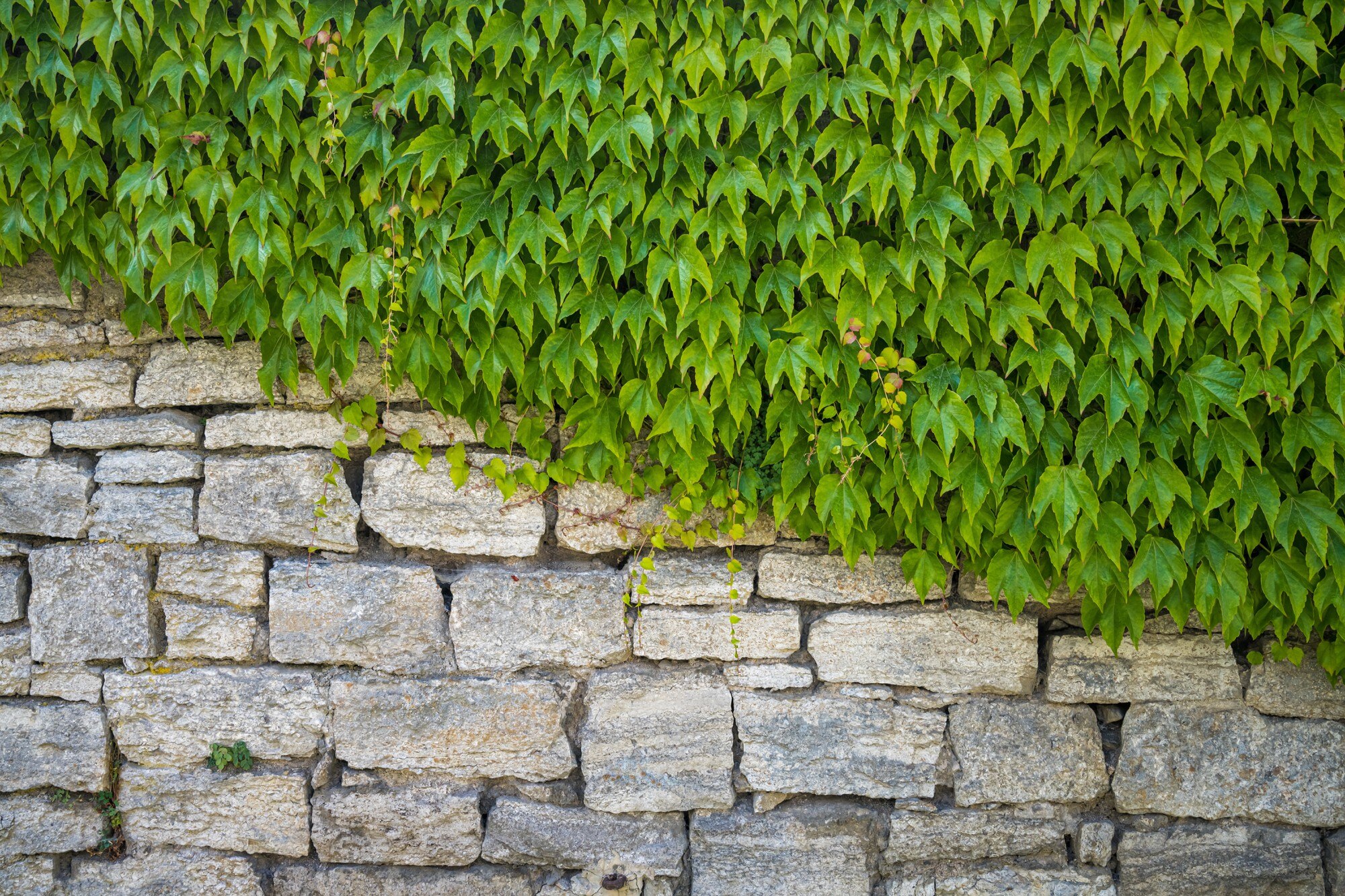
Do I Need Council Approval for a Retaining Wall in NSW/QLD/VIC?
Building a retaining wall sounds simple until approvals enter the picture.
Rules vary by state, council, site conditions, and wall design.
If you are a homeowner planning landscaping works, or a landscaper managing a client project, it pays to check early. A wall that seems minor can still need approval if it exceeds height limits, sits near boundaries, or carries extra loads from driveways, pools, or structures.
This guide explains the common approval triggers in New South Wales, Queensland, and Victoria. It also covers why material choice matters, and when you should speak with your local council or a structural professional.
Why retaining wall approval matters
Retaining walls do more than hold back soil.
They also affect drainage, neighbouring land, safety, and long-term site stability.
If a wall fails, damage can spread quickly. It may affect fences, paths, driveways, adjoining properties, or stormwater flow. That is why councils and building regulators often treat retaining walls as building work once certain triggers apply.
Approval requirements can depend on:
- Wall height
- Distance from boundaries
- Slope and soil conditions
- Surcharges from cars, sheds, pools, or buildings
- Drainage design
- Whether the wall supports another structure
Even if you are using common products like retaining wall blocks, besser blocks, or masonry bricks, approval rules still depend on the final design and site conditions.
Quick state comparison table
Here is a simple guide to the most common approval triggers.
Always confirm with your local council before starting work.
| State | Often exempt when | Approval often needed when |
|---|---|---|
| NSW | Wall is up to 600mm high in many standard situations | Wall exceeds 600mm, supports surcharge loads, or involves complex drainage or structural risk |
| QLD | Wall is up to 1 metre high and does not support a surcharge | Wall exceeds 1 metre, is near a boundary with loading, or supports structures or vehicle areas |
| VIC | Wall is up to 1 metre high and does not impose loads affecting stability | Wall exceeds 1 metre, has surcharge loading, or needs structural design under building regulations |
These are general triggers, not a substitute for site-specific advice.
Local overlays, easements, and drainage issues may change the answer.
New South Wales: when approval is usually needed
In New South Wales, retaining walls often fall under exempt development only when they meet strict limits. In many residential settings, that means a wall no higher than 600mm above existing ground level.
If the wall goes beyond that, approval is usually more likely.
The same applies if the wall carries extra pressure from nearby structures.
In NSW, approval is commonly needed when:
- The wall is over 600mm high
- The wall is close to a boundary and affects adjoining land
- The wall supports a driveway, path, pool, or structure
- The site has drainage complications
- The work is in a heritage or environmentally sensitive area
For many homeowners, this catches out projects that seem minor at first. A stepped garden design with garden wall systems, landscaping stones, or coloured concrete blocks can still trigger approval if combined height and loading exceed limits.
If you are using structural masonry systems or reinforced besser blocks, you may also need engineering details before work begins.
Queensland: a higher trigger, but conditions still apply
Queensland generally allows more flexibility for low retaining walls. In many cases, a retaining wall up to 1 metre high does not need building approval if it is not supporting a surcharge.
A surcharge means any extra load placed near the wall.
That includes driveways, parked vehicles, buildings, pools, or steep slopes above.
In QLD, approval is commonly needed when:
- The wall exceeds 1 metre in height
- The wall supports a surcharge
- The wall is near a building or boundary with additional loading
- The design needs engineering for stability
- The site has drainage or erosion concerns
This is important for landscaped homes where retaining walls sit near driveway pavers, outdoor entertaining areas, or terraced gardens. A wall under 1 metre may still need approval if it supports a vehicle zone or structure above.
Material choice does not remove that obligation.
Whether you use retaining wall blocks, concrete blocks Australia suppliers provide, or even decorative architectural blocks, the loading still matters most.
Victoria: similar height trigger, strong focus on stability
Victoria often uses a similar threshold to Queensland. In many cases, a retaining wall up to 1 metre high may not require a building permit if it does not support a load affecting the wall’s stability.
Once the wall gets taller, or supports extra weight, approval becomes more likely.
Councils and building surveyors may also assess local planning controls.
In VIC, approval is commonly needed when:
- The wall exceeds 1 metre above natural ground
- The wall supports adjacent structures or vehicle loads
- The wall affects drainage, easements, or neighbouring land
- The site is steep, reactive, or otherwise unstable
- The wall requires engineering certification
This often affects projects using masonry bricks, breeze blocks, or cinder blocks in decorative landscape settings. These materials may look simple, but the wall still needs to perform structurally if it retains soil.
In Victoria, safe design is a major issue.
A wall that shifts water or pressure onto another property can create bigger problems later.
What counts as a surcharge load?
A surcharge is one of the most common reasons a retaining wall needs approval.
It means the wall is holding more than just soil.
Examples of surcharge loads include:
- Cars parked near the wall
- A driveway above the wall
- A shed, pergola, or home extension
- A pool or spa
- A steep embankment above the retained ground
- Heavy concrete pavers or paving stones in a loaded area
If you are building near driveway pavers, outdoor rooms, or paved entertaining zones, assume the design may need closer review. Even a low wall can become a structural issue once added weight is involved.
Do materials change the approval process?
The short answer is no.
Materials affect design, but they do not override approval triggers.
You can build retaining walls using many products, including:
- Retaining wall blocks
- Concrete blocks Australia
- Besser blocks
- Masonry bricks
- Architectural blocks
- Coloured concrete blocks
- Landscaping stones
- Breeze blocks
- Cinder blocks
- Structural masonry
Some homeowners also pair walls with edging bricks, concrete pavers, or garden wall systems to create a finished landscape design.
These choices affect appearance, cost, drainage needs, and engineering method. However, councils usually care more about wall height, loading, location, and safety than the visual finish.
When should you speak with council or a professional?
The safest time to check is before materials are ordered or excavation begins.
That saves time, avoids redesign, and reduces the risk of compliance issues later.
You should speak with your local council, building certifier, or engineer if:
- You are unsure of the wall height from natural ground level
- The wall sits near a boundary
- The site is sloped or unstable
- The wall supports paving, vehicles, or structures
- You are combining multiple stepped walls
- Drainage is unclear
- The project is part of larger landscaping works
This matters even more when using heavy products such as structural masonry, reinforced besser blocks, or stacked retaining wall blocks with geogrid systems.
Common mistakes to avoid
Approval issues often start with assumptions.
Many people think low walls never need formal checks, but that is not always true.
Avoid these common mistakes:
- Measuring height from the wrong ground level
- Ignoring surcharge loads near the wall
- Assuming decorative walls are always exempt
- Forgetting drainage behind the wall
- Building on or near easements
- Overlooking local council overlays
- Starting work before checking state and local rules
Another common issue is treating separate walls as unrelated.
In some cases, multiple tiered walls may be assessed together.
Practical tips before you build
A little planning early can save a lot of money later.
It can also help your project move faster.
Before building your retaining wall:
- Check your local council website
- Confirm state building rules for your property
- Measure proposed wall height carefully
- Identify any surcharge loads nearby
- Review drainage paths
- Ask whether engineering drawings are needed
- Keep product specifications for blocks and wall systems
If you are comparing finishes, you can still plan the look of the project early. Many homeowners combine retaining walls with paving stones, driveway pavers, edging bricks, and architectural blocks for a cohesive outdoor design.
Final answer: do you need council approval?
Sometimes yes, sometimes no.
It depends on the wall height, loading, and your location.
As a general guide:
- In NSW, approval is often needed once a wall exceeds 600mm
- In QLD, approval is often needed once a wall exceeds 1 metre or supports a surcharge
- In VIC, approval is often needed once a wall exceeds 1 metre or affects stability through extra loading
If the wall is near a boundary, supports a driveway, or retains soil under pressure, get advice before building. That applies whether you use masonry bricks, coloured concrete blocks, breeze blocks, or standard retaining wall blocks.
The best approach is simple: check early, design properly, and build with confidence.

Leave a Reply