
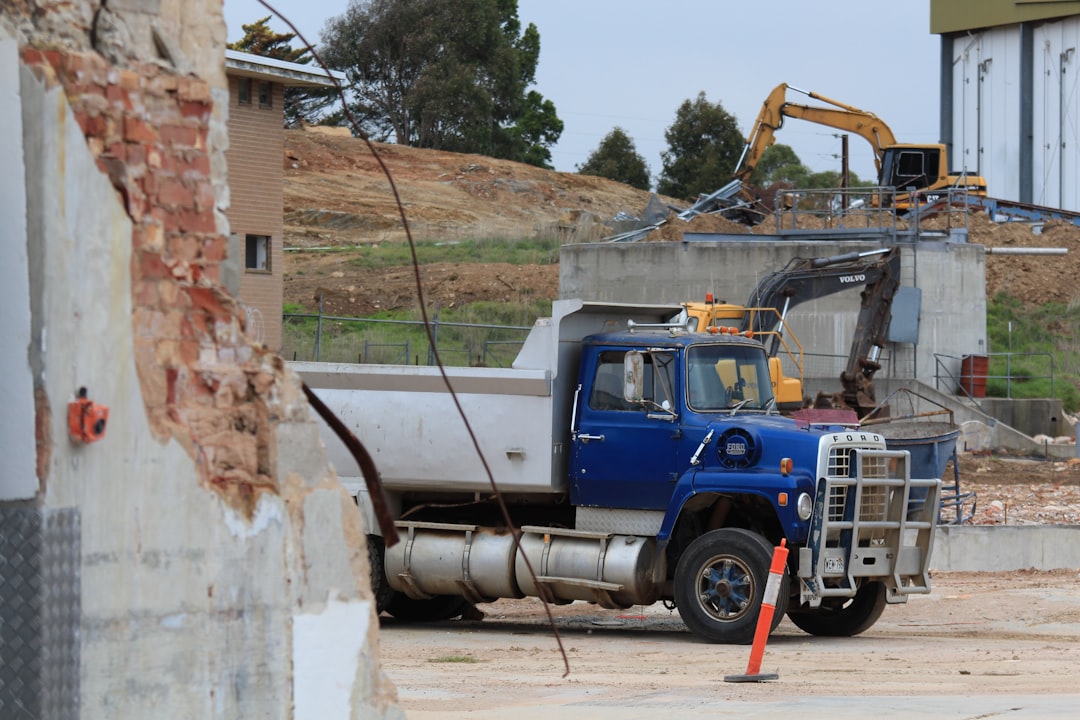
Selecting the right tipper truck for hire can be a game-changer for your construction project. Whether you’re involved in a large-scale operation or a smaller task, understanding the essentials of tipper truck rental is crucial. This guide aims to simplify the process, ensuring you make an informed decision that aligns with your project needs and budget.
Tipper trucks, also known as dump trucks, are specialized vehicles designed to transport loose materials such as sand, gravel, or demolition waste. They are equipped with an open-box bed, hinged at the rear, which can be lifted by hydraulic pistons to dump the contents easily. This makes them indispensable in construction and landscaping projects.
Types of Tipper Trucks
Before you hire a tipper truck, it’s essential to know the different types available:
- Standard Tipper Truck: This is the most common type, suitable for most construction needs. It features a rear-mounted bed that can be tipped to unload materials.
- Articulated Tipper Truck: Known for its flexibility and maneuverability, this type is ideal for projects involving rough terrain or tight spaces.
- Mini Tipper Truck: Perfect for small-scale projects or urban areas where larger vehicles might not fit.
Each type has its specific use cases, and selecting the right one depends on the nature of your project.
Factors to Consider When Hiring a Tipper Truck
When looking for an affordable truck hire, several factors come into play. Here’s what you should consider:
Project Requirements
Determine the scope and demands of your project. Large projects with significant material transport needs may require multiple or larger trucks, while smaller projects might only need a mini tipper.
Budget Constraints
Understanding your budget is crucial. Tipper truck dry hire can vary significantly in cost based on the truck type, rental duration, and any additional services required. Ensure you get a comprehensive quote that includes all potential costs.
Truck Capacity
Evaluate the load capacity of the truck. Overloading a truck can lead to mechanical issues and safety hazards, while underutilizing it can be inefficient and costly.
Rental Duration
The length of time you’ll need the truck can influence the overall cost. Some companies offer discounts for longer rental periods, making it more economical to hire for an extended time if possible.
Supplier Reputation
Research potential rental companies thoroughly. Look for reviews and testimonials to ensure they have a reputation for reliability and good customer service. A trustworthy supplier will offer well-maintained vehicles and responsive support.
Benefits of Tipper Truck Dry Hire
Tipper truck dry hire means renting the vehicle without a driver, providing several advantages:
- Cost Savings: Hiring without a driver is generally more affordable. If you have a qualified operator, this option can save significantly on labor costs.
- Flexibility: You have more control over the operation and scheduling of the vehicle.
- Familiarity: Using your own operator means they are familiar with your project specifics, potentially increasing efficiency.
However, ensure your operator is adequately trained and licensed to handle the vehicle safely.
Steps to Hiring a Tipper Truck
To streamline the tipper truck rental process, follow these steps:
1. Define Your Needs
Start by outlining what you need the truck for, the type of materials you’ll be transporting, and the volume. This will guide your choice of truck size and type.
2. Research Rental Companies
Compile a list of potential suppliers. Check their websites for information on their fleet, rental terms, and pricing. Make sure they offer the specific type of tipper truck you need.
3. Compare Quotes
Reach out to several companies for quotes. Compare not just the price, but what’s included in the rental agreement. Ask about any hidden fees and confirm the condition and maintenance history of the trucks.
4. Check Insurance and Licensing
Ensure the rental agreement includes adequate insurance coverage. Verify that your operator has the necessary licenses to operate the truck legally.
5. Inspect the Truck
Before finalizing the hire, inspect the truck for any pre-existing damage. This can prevent disputes about liability later on. Make sure all parts are functioning correctly, including the tipping mechanism.
6. Finalize the Agreement
Once you’re satisfied with the terms and conditions, finalize the rental agreement. Ensure all details are clearly documented, including the rental period, costs, and any additional terms.
Common Mistakes to Avoid
- Ignoring Load Limits: Overloading is a common mistake that can lead to accidents and mechanical failure. Always adhere to the specified load limits.
- Neglecting Maintenance Checks: Regular checks are vital to ensure the vehicle operates smoothly throughout the rental period.
- Underestimating Project Duration: Accurately estimate how long you’ll need the truck to avoid last-minute extensions, which can be costly.
- Overlooking Local Regulations: Be aware of any local regulations regarding the operation of heavy vehicles to prevent fines or legal issues.
Conclusion
Choosing the right tipper truck for hire can significantly impact the efficiency and cost-effectiveness of your project. By understanding the different types of tipper trucks, evaluating your specific needs, and carefully selecting a rental company, you can ensure a smooth and successful experience. Remember to consider all factors, from capacity and budget to supplier reputation, to make the most informed decision. With the right preparation, a tipper truck can be an invaluable asset to your project.


Leave a Reply