
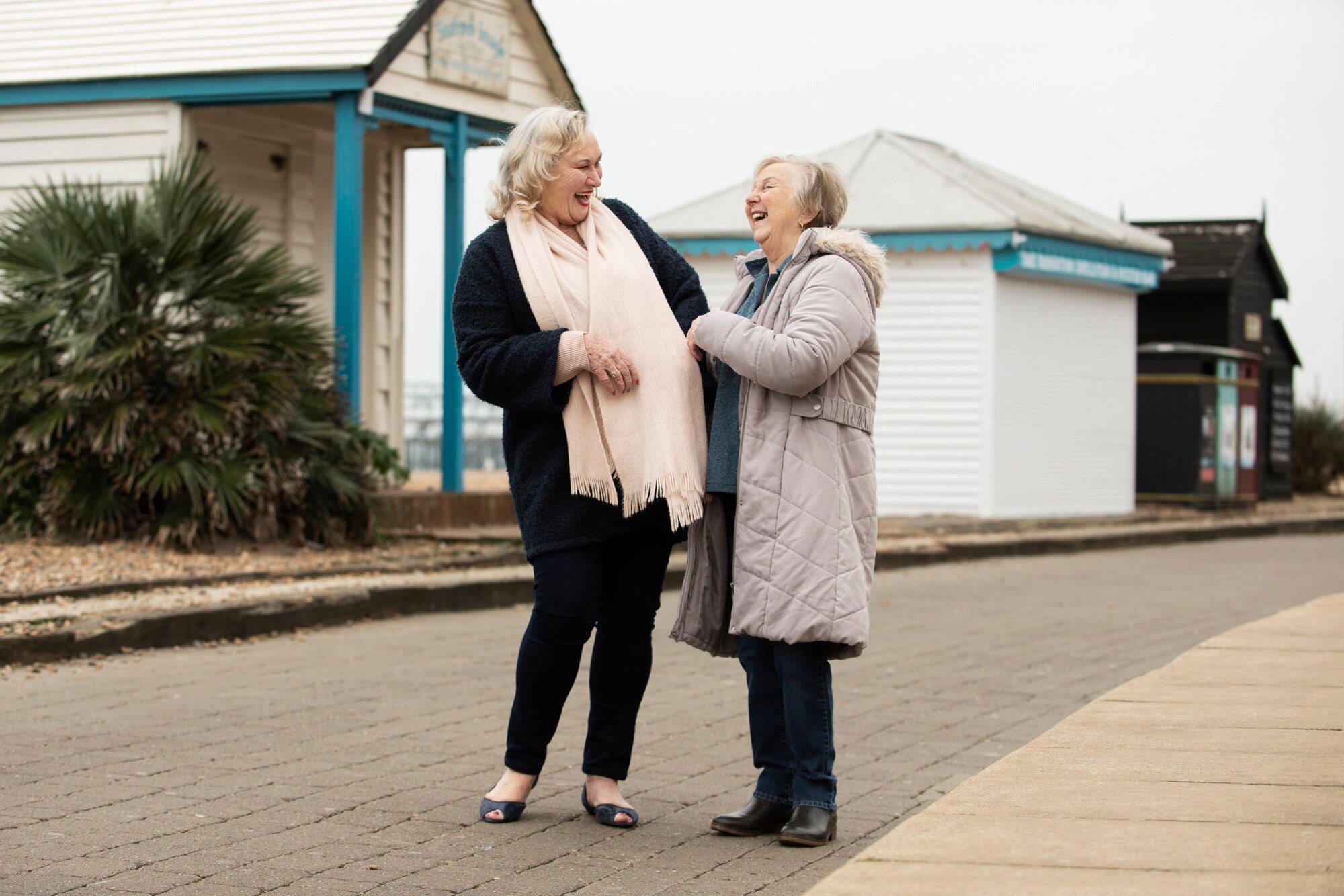
There’s a certain point where the brochures stop helping.
You’ve read them all. The photos look stunning, the gardens are immaculate, and every village promises a warm, vibrant community. But sitting there with a pile of glossy folders, you realise you’re no closer to knowing which one is actually right.
Core Retirement Village Comparison
| What to Compare | Questions to Ask | Why It Matters |
|---|---|---|
| Location | Is the village close to family, healthcare, shops and public transport? | Determines convenience and accessibility |
| Entry cost | How much do I need to pay to move in? | Shows the initial financial commitment |
| Ongoing fees | What are the weekly, fortnightly or monthly fees? | Shows the ongoing cost of living |
| Exit costs | What fees apply when I leave? | Helps estimate the eventual financial impact |
| Exit entitlement | How much could I receive when I leave? | Important for future financial planning |
| Contract | What type of contract will I sign? | Determines rights, obligations and financial arrangements |
| Facilities | What facilities are included? | Helps compare lifestyle offerings |
| Services | Which services are included and which cost extra? | Prevents unexpected costs |
| Healthcare | What healthcare or support is available? | Helps with changing needs |
| Accommodation | What types and sizes of homes are available? | Determines suitability of the residence |
| Community | What activities and social opportunities are available? | Helps assess lifestyle fit |
| Future development | Are new facilities or stages planned? | May affect the village and surrounding environment |
| Village finances | How financially sound is the village? | Provides insight into financial management |
| Rules | What restrictions and by-laws apply? | Helps determine whether the lifestyle suits you |
| Resale | How does the resale or exit process work? | Important when planning to leave |
That’s not a failure of effort. It’s just how this process works. The stuff that really matters — whether you’ll feel at home, whether the fees are fair, whether the place will still suit you in ten years — doesn’t show up in the marketing.
So let’s talk about that stuff instead.
This guide is here to help you compare villages in a way that actually means something. Not just ticking boxes, but understanding what you’re really choosing between. Take your time with it. There’s no rush.
Why This Decision Is Harder Than It Looks
People often assume comparing retirement villages is a bit like comparing houses. You look at the price, check the location, have a walk through, and decide.
It’s not quite like that.
Villages have different fee structures, different contract types, different levels of care, and very different day-to-day feels. Two places that look similar on paper can turn out to be worlds apart once you’re actually living there. And the one that looks flashier isn’t always the better fit.
The goal isn’t to find the most impressive village. It’s to find the right one — for the person who’s actually going to live there.
What to Actually Look At
Here are the things worth sitting with carefully, one at a time.
Retirement Village Comparison Checklist
| Category | What to Check |
|---|---|
| Location | Shops, transport, family, doctors, hospitals and community facilities |
| Home | Size, layout, accessibility, storage, outdoor space and modifications |
| Price | Entry payment and other upfront costs |
| Ongoing costs | Maintenance/recurrent fees and what they include |
| Exit costs | Deferred management/departure fees and other deductions |
| Exit entitlement | How much may be returned and how it is calculated |
| Contract | Contract type, obligations, restrictions and termination arrangements |
| Facilities | Community centre, gardens, pool, gym, dining and recreation |
| Services | Meals, cleaning, transport, maintenance and personal services |
| Healthcare | Access to support services and pathways to aged care |
| Community | Activities, clubs and opportunities to meet residents |
| Security | Emergency call systems, security and safety features |
| Maintenance | Who maintains the home, gardens and common areas |
| Future needs | Accessibility and support if circumstances change |
| Village finances | Financial statements, maintenance funding and planned expenditure |
| Exit process | Sale process, vacancy requirements and payment timeframe |
Location
Where the village sits shapes daily life more than almost anything else. Think about how close it is to family, to your GP, to the shops, to the people and places that matter most to you.
A beautiful village an hour from everyone you love can quietly become quite lonely. A plainer one five minutes from your daughter’s place might bring far more joy than any pool or gym ever could.
Be honest with yourself about what proximity means to you.
The Home Itself
Visit the actual unit you’d be moving into, not the display suite. Walk through it slowly. Are the doorways wide enough? Are there steps that might cause trouble later on? Does it get enough natural light? Does it feel like somewhere you could genuinely settle?
Think about not just how it feels now, but how it might feel in five or ten years. The things that seem fine today have a way of mattering more later.
The Atmosphere
This one’s hard to put on a checklist, but it’s one of the most important.
Some villages feel alive. People wave from their gardens, there’s noise coming from the community hall, the café has a queue. Others are serene and quiet — which suits some people perfectly, and makes others feel invisible.
Neither is wrong. But one will suit you far better than the other. The only way to know is to spend real time there, not just on a scheduled tour.
If you can, have a genuine chat with a few residents. Not the ones the staff introduce you to. Just someone you happen to cross paths with. Ask them what they love about living there, and what they’d change. That conversation is worth more than any brochure.
Fees and Contracts
We’ve covered fees in depth elsewhere, so we’ll keep this brief here. What matters is looking at the full picture — upfront costs, ongoing fees, and what you’ll pay when you leave — all at once, not in isolation.
And please, read the contract before you sign it. All of it. Understand what you’re actually buying, how fees can increase, and what happens financially when you eventually move out. It’s not the fun part of this process, but it’s one of the most important.
Services and Support
What’s included in the fees, and what costs extra? Some villages offer meals, regular cleaning, and personal care. Others are more independent by design.
Match what’s on offer to what you actually want. There’s no point paying for a dining room you’ll never use, just as there’s no point choosing a stripped-back village if you’d genuinely appreciate a hand with certain things.
The Social Side
Loneliness is one of the real risks of getting older, and a village with a good community feel can make an enormous difference to someone’s wellbeing.
Look at what’s on offer. Activities, clubs, shared spaces, outings. But also ask yourself honestly whether it’s your kind of thing. Some people love a packed social calendar. Others find it exhausting and would rather a quieter life with just a few familiar faces.
There’s no wrong answer — just be honest about what suits you.
Maintenance
One of the genuine pleasures of village life is handing off the mowing, the gutters, the general upkeep. But it only works if things are actually maintained properly.
Ask residents how quickly repairs get done. A simple question like that tells you a lot about how the village is managed day to day.
Getting Around
Not everyone drives indefinitely. Ask whether there’s a village bus, and how easy it is to get to medical appointments, the shops, and social activities without a car.
This might not feel urgent right now. It often becomes very important later.
Visitors and Connection
Check how easy it is for family to visit. Is there parking? Can someone stay overnight? Are children welcome to come and run around?
A village that makes visits easy keeps people connected. That matters more than most people realise.
Safety
Ask about emergency call systems, after-hours support, and how quickly staff respond if someone needs help. Good safety measures let both the resident and the family breathe a little easier.
What Happens If Things Change
This is the question families most often forget to ask, and most often wish they had.
Some villages can offer extra support as health needs increase. Others can’t, and would expect someone to move on if their care needs grew beyond a certain point. Neither is necessarily wrong, but you need to know which type you’re looking at before you commit.
Ask it early. It saves a lot of heartache down the track.
Two Stories That Might Feel Familiar
Pam and Geoff: People vs. Polish
This is a made-up example, but the situation is very common.
Pam and Geoff spent weeks going back and forth between two villages. One was close to family — ten minutes from their son, easy visits from the grandkids. It was a bit older, nothing fancy, no pool. The other was stunning. Gorgeous grounds, great facilities, lovely café. But it was forty-five minutes away and noticeably pricier.
The flashy one won them over at first. Of course it did — it looked incredible.
But when they sat down and really talked it through, they realised they’d be giving up regular visits from the people they loved most, in exchange for a gym they’d probably use once a month and a café they’d pop into on weekends.
They chose the one closer to family. And it turned out to be exactly right for them.
That’s not to say everyone would make the same call. Different people, different priorities. But their story shows why it pays to know what you actually value, not just what photographs well.
Dave and His Mum Val: Looking Past the Tour
Another made-up example, this time from an adult child’s perspective.
Dave went with his mum Val to look at a village that presented itself beautifully. Everything gleamed. The staff were warm and welcoming. The display unit was lovely.
Dave appreciated all of it. But he also asked some questions that weren’t on the standard tour. How do fees increase each year? What happens if Mum’s health declines and she needs more support? Can we see a standard unit, not the display one? And he came back a second time, unannounced, on a quiet Tuesday afternoon, just to see how it felt without the performance.
The village held up. The answers were straight, the vibe was consistent, and Val chose it feeling genuinely confident — not just dazzled.
Looking past the marketing didn’t take the shine off anything. It just made the decision feel solid.
Mistakes That Are Easy to Make
Getting fixed on the upfront cost. It’s the number that feels most real, but it’s only part of the picture. Ongoing fees and exit costs often matter far more over the long run.
Not reading the contract. It’s dry, and it’s long, and it’s tempting to skim. Don’t. The fine print is where the real terms live.
Only visiting once. One polished tour on a sunny afternoon tells you very little. Go back. Go at a different time of day. Drop in without warning if you can.
Skipping the resident conversations. Staff will always put the best foot forward. Residents will tell you what life is actually like.
Planning only for right now. It’s natural to think about what suits you today. But try to think about how the village will fit your life in five or ten years too.
Questions Worth Asking
Bring these along when you visit. They’re calm, practical questions — not confrontational, just useful.
- What are the full costs — upfront, ongoing, and when leaving? All three, together.
- How are ongoing fees increased, and how often?
- What’s included, and what costs extra?
- What happens if my health or care needs change? Can I stay, or would I need to move?
- How easy is it for family to visit? Parking, overnight stays, kids welcome?
- What’s daily life actually like here? Ask a resident if you can.
- How quickly does maintenance get handled?
- What transport options are available for those not driving?
- Can I visit more than once before making a decision?
- Can I take the contract home to read through properly?
A provider worth your trust will answer all of these openly and give you the time you need. If you feel rushed or like questions aren’t welcome, that tells you something too.
There’s No Prize for Deciding Quickly
The right village isn’t the one with the most impressive marketing. It’s the one where someone will genuinely feel at home — now, and in the years ahead.
Take your time. Visit more than once. Ask the things that feel awkward to ask. Talk it through with the people who know you best.
You don’t need to have it all figured out today. You just need to take it one step at a time, and pay attention to the things that actually matter to your life, not just the things that look good in a photo.
Do that, and you give yourself the best possible chance of making a decision you’ll feel good about for a long time to come.


Leave a Reply