
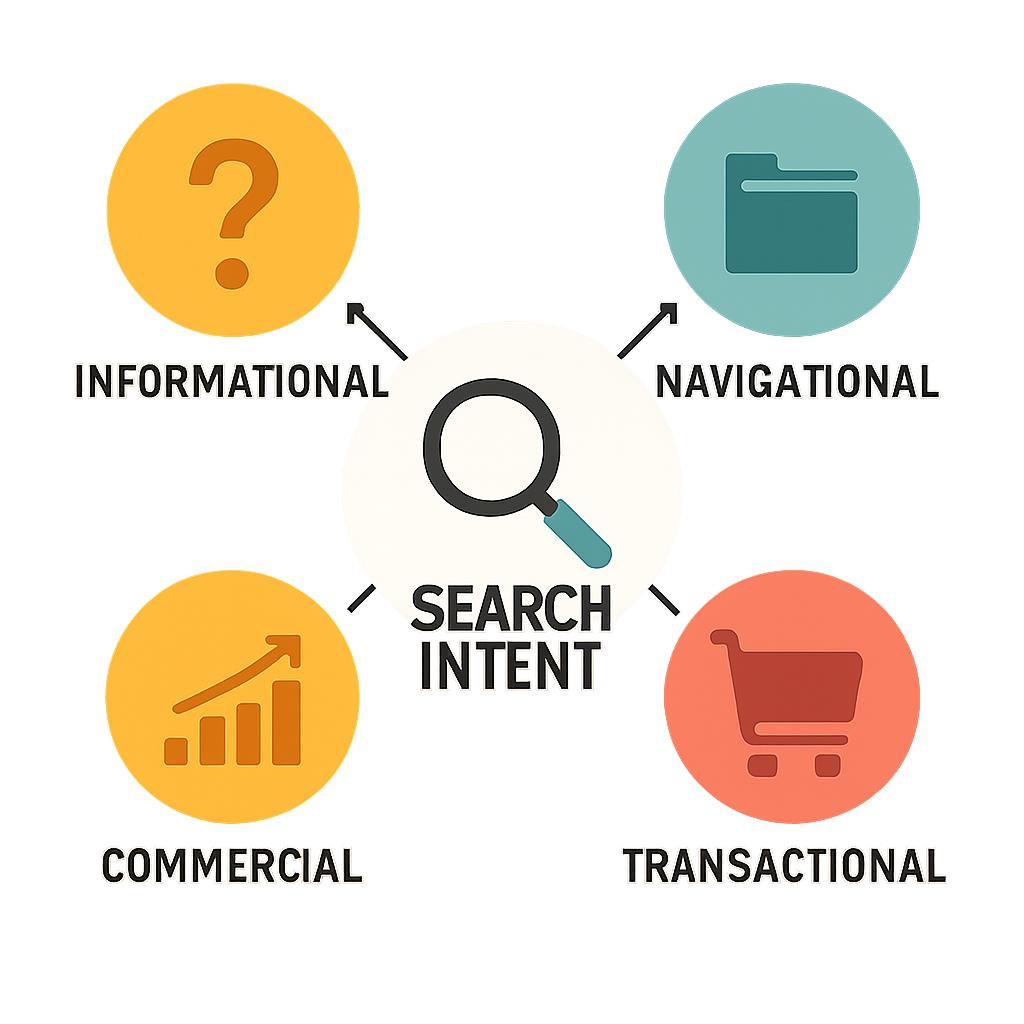
Search intent refers to the reason behind a user’s search query. It’s about understanding what users want to accomplish with their searches. Are they looking for information, trying to make a purchase, or just browsing? Identifying the intent behind user queries is essential to crafting content that satisfies their needs.
The Role of Search Intent in SEO
Search intent plays a pivotal role in SEO by aligning content with user needs. When search engines understand the intent behind queries, they deliver results that are most likely to satisfy the user’s requirements. Thus, creating content that matches search intent not only improves your SEO but also enhances user satisfaction.
Why Search Intent Matters
Understanding search intent helps in creating more targeted content strategies. When you know what users are looking for, you can tailor your content to meet those needs, leading to higher engagement rates. This targeted approach can result in better conversion rates, as content is designed to fulfill specific user requirements.
How Search Engines Interpret Intent
Search engines use complex algorithms to interpret user intent. They analyze search patterns, user behavior, and content types to determine the best match for a query. By aligning your content with these interpretations, you increase your chances of ranking higher and attracting the right audience.
Types of Search Intent
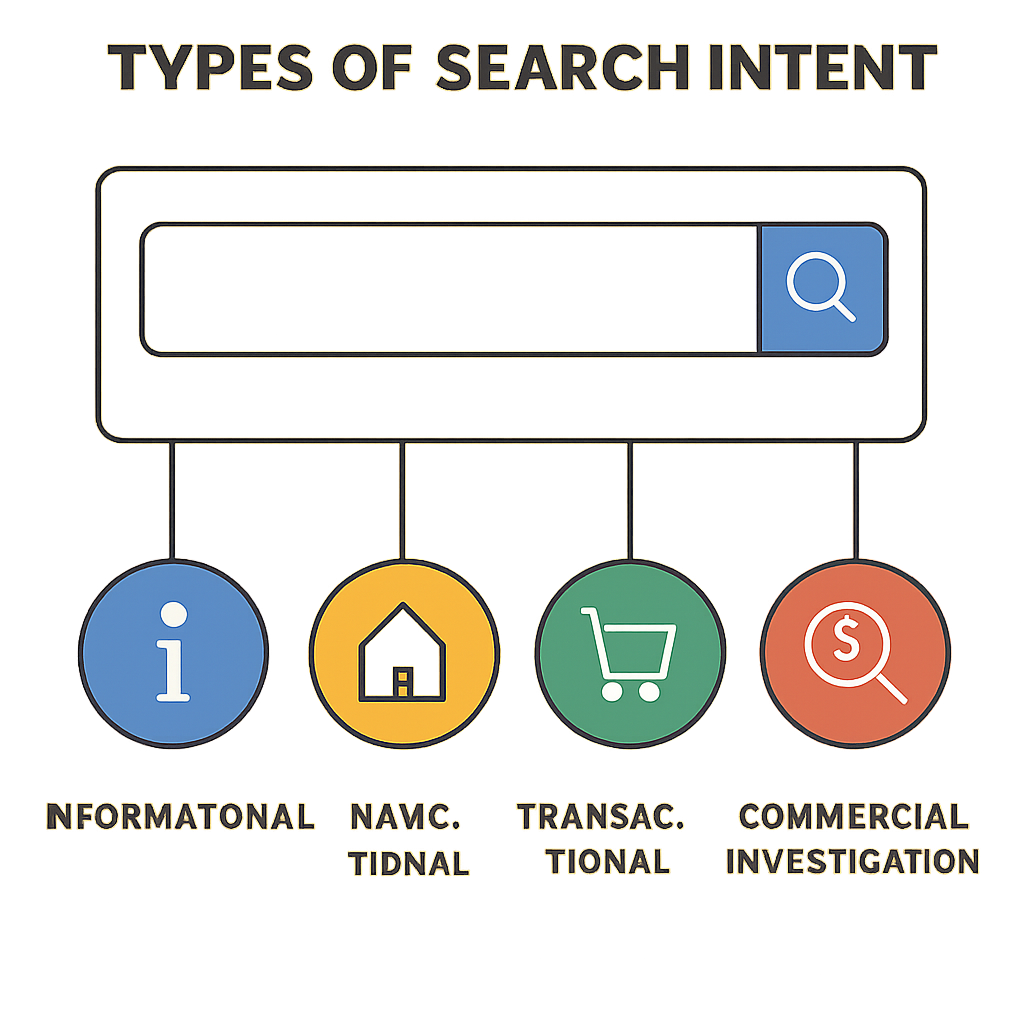
There are four main types of search intent:
Informational Intent
Users are looking for information. They might want to know how something works, find out the answer to a question, or learn about a particular topic. Providing detailed, well-researched content can help satisfy informational intent.
Navigational Intent
Users are trying to find a specific website or page. They might type in a brand name or the name of a website they want to visit. Ensuring your brand is easily recognizable in search results can fulfill navigational intent.
Transactional Intent
Users are looking to make a purchase. They might search for product reviews, price comparisons, or online stores. Creating clear, persuasive product pages can convert users with transactional intent.
Commercial Investigation
Users are considering a purchase and want to compare options. They’re not ready to buy yet but are gathering information to make a decision. Offering comparison guides and detailed reviews can assist users during their commercial investigation phase.
Conducting Intent Analysis
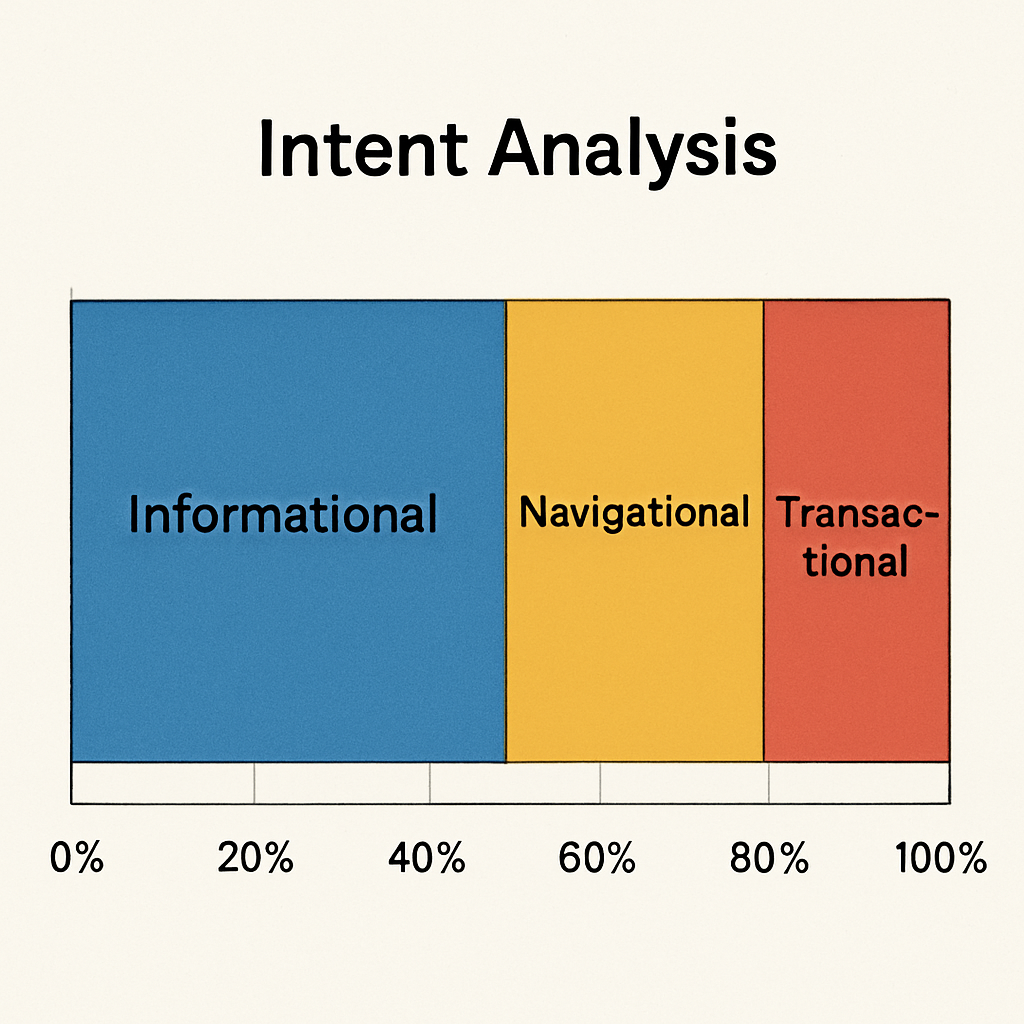
To optimize your content, start by conducting an intent analysis. Here’s how:
Step 1: Analyze Your Keywords
Begin by identifying the keywords you want to target. Look for patterns in the search terms people use. Are they asking questions, looking for specific brands, or seeking product reviews? Use tools like Google Keyword Planner or SEMrush to gather data on keyword intent.
Understanding Keyword Intent
Delve deeper into the nuances of keyword intent. Keywords can often have multiple meanings, depending on the context. For instance, the keyword “apple” could refer to the fruit or the tech brand. Understanding the context behind keywords helps in crafting content that meets the right user needs.
Grouping Keywords by Intent
Once you have a list of keywords, group them according to their intent. This categorization helps in developing a content strategy that targets each type of intent effectively. By grouping similar intent keywords, you can create comprehensive content pieces that cater to a broader audience.
Tools for Keyword Analysis
Utilize various tools to enhance your keyword analysis. Besides Google Keyword Planner and SEMrush, consider using Ahrefs, Moz, or Ubersuggest. These tools provide additional insights into search volume, competition, and related keywords, aiding in a more thorough analysis.
Step 2: Study Search Engine Results Pages (SERPs)
Examine the top-ranking pages for your target keywords. What kind of content appears? Is it blog posts, product pages, or videos? The type of content that ranks high can give you clues about the search intent.
Analyzing Content Types in SERPs
Look at the types of content that appear in SERPs for your target keywords. Are the top results listicles, how-to guides, or detailed articles? Understanding the prevalent content types can help you create content that aligns with user expectations and search intent.
Evaluating SERP Features
Pay attention to SERP features like featured snippets, knowledge panels, and top stories. These elements provide insights into how search engines are interpreting user intent and what kind of content is being prioritized.
Competitor Analysis in SERPs
Identify your competitors in the SERPs and analyze their content. What makes their content rank higher? Understanding your competition’s strategies can inform your approach to creating more effective and competitive content.
Step 3: Use Search Behavior Tools
Tools like Google Analytics and Search Console provide insights into how users interact with your site. Look at metrics like bounce rate and session duration to understand whether your content aligns with user expectations.
Monitoring User Engagement Metrics
Examine user engagement metrics to gauge content effectiveness. High bounce rates or low session durations may indicate a misalignment with search intent. Use these insights to refine your content strategy and improve user satisfaction.
Identifying Content Gaps
Search behavior tools can help identify content gaps on your site. Look for pages with high exit rates or low engagement, as these may indicate areas where content is not meeting user needs. Addressing these gaps can improve overall site performance.
Leveraging User Feedback
Incorporate user feedback from tools like Google Analytics and Search Console to refine your content strategy. Understanding user behavior and preferences can guide content adjustments, ensuring alignment with search intent.
Creating Content Aligned with Search Intent
Once you understand the search intent, it’s time to create content that matches it.
Informational Content
For informational intent, focus on providing valuable and comprehensive content. Create blog posts, guides, or FAQs that answer common questions or explain complex topics. Make sure your content is clear, well-structured, and easy to navigate.
Crafting In-Depth Guides
Develop in-depth guides that thoroughly cover topics of interest to your audience. These guides should provide detailed explanations, practical examples, and actionable insights. Comprehensive content not only satisfies informational intent but also establishes your authority on the subject.
Utilizing Visual Aids
Incorporate visual aids such as infographics, charts, and videos to enhance informational content. Visuals can make complex information more digestible and engaging, improving user retention and satisfaction.
Ensuring Content Accessibility
Make sure your informational content is accessible to all users. Use clear language, organized structure, and intuitive navigation to enhance user experience. Consider accessibility features like alt text for images and subtitles for videos to reach a wider audience.
Navigational Content
For navigational intent, ensure your brand and website are easily accessible. Optimize your homepage and key landing pages to appear in search results for your brand name or specific services.
Enhancing Brand Visibility
Strengthen your brand’s visibility in search results by optimizing your website’s metadata and ensuring consistent branding across all online platforms. A strong brand presence can improve navigational intent satisfaction and increase user trust.
Streamlining Website Navigation
Optimize your website’s navigation to facilitate easy access to key pages. A well-organized menu and intuitive layout help users find what they’re looking for quickly, enhancing their navigational experience.
Creating a Seamless User Journey
Design your website to offer a seamless user journey from entry to conversion. Ensure that users can easily find and access the information or services they seek, reducing friction and improving satisfaction.
Transactional Content
For transactional intent, focus on product pages and e-commerce strategies. Use clear calls to action, detailed product descriptions, and customer reviews. Make the purchasing process as smooth as possible to convert visitors into buyers.
Designing Persuasive Product Pages
Create persuasive product pages that highlight key features, benefits, and unique selling points. Use high-quality images, compelling copy, and customer testimonials to build trust and encourage conversions.
Implementing Effective CTAs
Incorporate clear and compelling calls to action (CTAs) throughout your transactional content. Guide users towards the next step in the purchasing process, whether it’s adding a product to their cart or contacting sales.
Optimizing the Checkout Process
Streamline the checkout process to minimize friction and increase conversion rates. Simplify forms, offer multiple payment options, and provide a clear path to purchase to enhance the transactional experience.
Commercial Investigation Content
For commercial investigation, provide comparison guides, product reviews, and case studies. Help users make informed decisions by offering side-by-side comparisons or highlighting unique features.
Developing Comprehensive Comparison Guides
Create detailed comparison guides that evaluate different products or services. Highlight key differences, pros and cons, and unique features to assist users in their decision-making process.
Writing Authentic Product Reviews
Offer authentic and unbiased product reviews to help users assess their options. Include user testimonials, expert opinions, and real-world usage scenarios to provide a well-rounded perspective.
Utilizing Case Studies
Use case studies to showcase success stories and real-world applications of your products or services. Case studies can provide valuable insights and build credibility with users in the commercial investigation phase.
Optimizing for Search Intent SEO
To fully optimize for search intent, incorporate these SEO strategies:
Use Relevant Keywords
Incorporate keywords that align with the identified search intent. Use them naturally in your content, headings, and meta descriptions. Avoid keyword stuffing, as it can harm your rankings.
Keyword Placement and Density
Strategically place keywords throughout your content to enhance SEO without compromising readability. Maintain a natural flow and ensure keyword density remains within acceptable limits to avoid penalties.
Long-Tail Keywords
Utilize long-tail keywords to target specific user intents. These keywords often have less competition and can attract highly targeted traffic, improving conversion rates.
Keyword Variations
Incorporate variations of your main keywords to capture a broader range of search queries. This approach can increase your content’s visibility and relevance for different user intents.
Optimize Meta Tags
Write compelling meta titles and descriptions that reflect the search intent. This not only helps with SEO but also improves click-through rates by attracting the right audience.
Crafting Engaging Meta Titles
Create meta titles that are both descriptive and engaging. Use action-oriented language and include relevant keywords to capture user interest and improve click-through rates.
Writing Persuasive Meta Descriptions
Compose meta descriptions that succinctly summarize your content and entice users to click. Highlight key benefits and use persuasive language to increase the likelihood of attracting the right audience.
Implementing Structured Data
Use structured data to provide search engines with additional context about your content. Structured data can enhance your appearance in SERPs and improve click-through rates by displaying rich snippets.
Structure Your Content
Use headings and subheadings to organize your content. This makes it easier for search engines to understand your page and for users to find the information they need quickly.
Utilizing Clear Headings
Employ clear and descriptive headings to break down your content into easily digestible sections. Headings help users navigate your content and improve readability.
Creating Logical Content Flow
Ensure your content follows a logical flow that guides users through the information. A well-structured layout enhances user comprehension and engagement.
Enhancing Readability
Use short paragraphs, bullet points, and lists to improve content readability. These elements make your content more scannable and user-friendly.
Improve User Experience
Ensure your website is mobile-friendly, loads quickly, and is easy to navigate. A positive user experience can improve your search rankings and keep visitors on your site longer.
Mobile Optimization
Optimize your website for mobile devices to ensure a seamless experience across all platforms. Mobile-friendly sites are favored by search engines and provide a better user experience.
Reducing Load Times
Minimize load times by optimizing images, leveraging browser caching, and using content delivery networks (CDNs). Faster load times improve user satisfaction and search rankings.
Enhancing Navigation
Streamline your website’s navigation to facilitate easy access to content. A well-organized site structure improves user experience and can lead to longer session durations.
Monitoring and Adjusting Your Strategy
Search intent can evolve over time, so it’s important to regularly monitor your content performance and adjust as necessary.
Track Your Rankings
Use tools like Moz or Ahrefs to track your keyword rankings. Pay attention to changes and identify any drop-offs in performance.
Regular Rank Monitoring
Monitor your keyword rankings regularly to identify trends and fluctuations. Consistent tracking helps you respond to changes promptly and maintain your search visibility.
Identifying Performance Patterns
Analyze ranking patterns to understand what drives changes in performance. Identifying successful strategies and areas for improvement can inform future content adjustments.
Competitor Rank Analysis
Keep an eye on competitor rankings to identify opportunities and threats. Understanding your competitors’ performance can provide insights into effective strategies and potential areas for growth.
Analyze User Feedback
Collect and analyze user feedback to understand how well your content meets their needs. Use surveys or comment sections to gather insights.
Gathering Direct User Feedback
Engage with your audience through surveys, polls, and feedback forms to gain direct insights into their needs and preferences. This feedback can guide content improvements and align with user intent.
Leveraging Social Media Insights
Monitor social media channels for user feedback and discussions about your content. Social media insights can provide valuable information about user sentiment and emerging trends.
Adapting to User Suggestions
Incorporate user suggestions into your content strategy to enhance its relevance and effectiveness. Adapting to user feedback demonstrates responsiveness and commitment to meeting their needs.
Stay Updated with Trends
Keep an eye on industry trends and changes in search behavior. Adapting your content strategy to align with new trends can help maintain your rankings.
Monitoring Industry Developments
Stay informed about industry developments and emerging trends that may impact search behavior. Being proactive in adapting to changes helps maintain your content’s relevance and competitiveness.
Analyzing Search Behavior Shifts
Regularly analyze shifts in search behavior to identify new opportunities and challenges. Understanding these changes allows for timely adjustments to your content strategy.
Experimenting with New Content Formats
Experiment with new content formats and approaches to keep your strategy fresh and engaging. Exploring new formats can attract different audiences and enhance user engagement.
Conclusion
Optimizing content for search intent is an ongoing process that requires understanding your audience and adapting to their needs. By analyzing search behavior, creating aligned content, and employing effective SEO strategies, you can improve your website’s visibility and attract the right audience.
Continuous Learning and Adaptation
Successful search intent optimization involves continuous learning and adaptation. Stay informed about changes in search algorithms and user behavior to keep your strategy effective and relevant.
Building Trust and Credibility
Delivering content that meets the needs of users at every stage of their search journey helps build trust and credibility. Establishing authority in your niche can lead to long-term success and audience loyalty.
Achieving Sustainable Growth
By consistently aligning your content with search intent, you can achieve sustainable growth in search rankings and audience engagement. This long-term approach ensures your content remains valuable and impactful.



Leave a Reply