
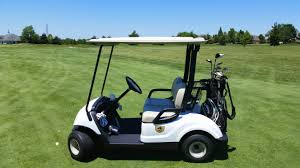
Golf is meant to be a walking game – but that doesn’t mean it has to be a tiring one. For many players, the choice between an electric golf buggy and a push buggy comes down to one simple question: do you want to save money upfront, or save energy every time you play?
Both options have their place. A push buggy can be a practical, affordable way to get your clubs around the course. An electric buggy, however, can change the way you experience 18 holes, especially if you play regularly, walk hilly courses, or want to keep enjoying golf comfortably for years to come.
So, which one should you buy? Let’s take a closer look.
The case for push golf buggies
Push buggies are popular for good reason. They’re simple, lightweight, easy to store and generally more affordable than electric models. For social golfers who play occasionally on relatively flat courses, a push buggy can do the job well.
They also require very little maintenance. There’s no battery to charge, no motor to think about and no electrical components to manage. You unfold it, load your bag, and off you go.
But there’s a trade-off. While pushing a buggy is much easier than carrying a full golf bag, it still requires effort – especially over 18 holes. Add in hot weather, soft ground, long walks between greens and tees, or a few steep climbs, and that effort can start to affect your game.
By the back nine, you may find your shoulders tightening, your legs getting heavy, or your focus slipping. And when your body starts working harder than it needs to, your swing can suffer.
The case for electric golf buggies
An electric golf buggy takes the strain out of moving your clubs around the course. Instead of pushing or pulling, you guide the buggy as it does the work for you. That means less fatigue, more comfort and more energy left for the parts of the game that matter: your shot selection, your rhythm and your enjoyment.
For regular golfers, this can make a noticeable difference. If you play weekly, compete in club events, or simply love spending time on the course, an electric buggy becomes less of a luxury and more of a smart long-term investment.
Parmaker describes its motorised golf buggies as helping golfers “play better golf now, and better golf for longer”, and that’s really the heart of the electric buggy argument. The less energy you spend transporting your clubs, the more you have available for your game.
Parmaker has been manufacturing motorised golf buggies in Australia for more than 30 years, with models designed to be light, strong, sturdy and practical to transport.
Think about the courses you play
The right choice often depends on where you play. If your local course is mostly flat, compact and easy to walk, a push buggy may be enough. But if your course has long fairways, steep slopes, uneven ground or heavy grass, an electric buggy can make every round feel easier.
Australian courses vary enormously. Some are beautifully walkable. Others make you work hard between shots. On a hilly or demanding layout, a push buggy can still leave you feeling like you’ve done a workout before you reach the clubhouse.
An electric walker or ride-on can help reduce that physical load, which is particularly valuable for older golfers, players returning from injury, or anyone who wants to preserve energy over a full round.
Consider how often you play
If you only play a few times a year, a push buggy may suit your needs. It’s affordable, straightforward and easy to justify.
But if golf is part of your weekly routine, the value equation changes. An electric buggy is something you’ll use again and again. Over time, the comfort, convenience and reduced fatigue can be worth far more than the upfront price difference.
It may also help you keep playing more often. When walking the course becomes less physically demanding, it’s easier to say yes to another round.
Storage, transport and convenience
Some golfers assume electric buggies are bulky or difficult to transport, but that isn’t always the case. Parmaker’s range includes electric walkers and ride-on buggies, with models designed to fit into almost any car boot.
Before you buy, think about your car, garage space and how easily you can lift or manoeuvre the buggy. A good golf buggy should make your life easier before, during and after the round.
So, which should you buy?
Choose a push buggy if you play occasionally, have a flat home course, want a lower upfront cost and don’t mind putting in a little physical effort.
Choose an electric buggy if you play regularly, want to reduce fatigue, play hilly or longer courses, or want to keep enjoying golf comfortably for years to come.
The best buggy is the one that helps you enjoy the game more. For many golfers, that means making the move to electric.
Ready to make every round easier?
Explore Parmaker’s Australian-made range of electric walkers and ride-on golf buggies, designed for comfort, reliability and long-lasting performance. Visit Parmaker today and find the buggy that helps you play better, walk easier and enjoy more time on the course: https://www.parmaker.com/product-category/buggies/


Leave a Reply