
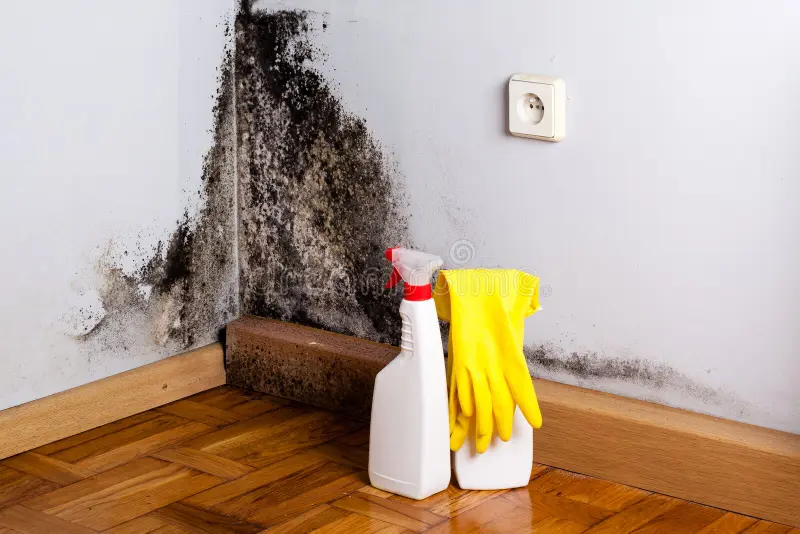
When most people think about mould in the home, they imagine black spots on the bathroom tiles or a visible patch on a wall. But the real danger often lies in what you can’t see. Hidden mould can quietly invade your living space, affecting your health in ways you might never suspect.
In this article, we’ll break down why hidden mould is such a serious health hazard, the types of mould that are most dangerous, and what you can do to protect yourself and your family.
What Is Hidden Mould?
Hidden mould grows in areas you don’t usually notice:
- Behind walls and wallpaper
- Under carpets and floorboards
- Inside air conditioning and heating ducts
- Around leaky plumbing or behind cabinets
Even if your home looks clean, these spores can be circulating through the air you breathe every day. The problem is, you can’t rely on your eyes or nose alone — some mould doesn’t produce visible stains or strong odours but still poses health risks.
How Hidden Mould Affects Your Health
Mould releases tiny spores that can be inhaled or come into contact with your skin. Depending on your sensitivity, exposure can cause:
- Respiratory problems: Wheezing, coughing, shortness of breath
- Allergic reactions: Sneezing, itchy eyes, runny nose
- Skin irritation: Rashes or itching
- Fatigue and headaches: Often overlooked symptoms of prolonged exposure
- Aggravation of asthma or other chronic conditions
Studies show that long-term exposure to hidden mould can increase the risk of more serious respiratory illnesses and even weaken your immune system. Children, the elderly, and people with pre-existing conditions are particularly vulnerable.
The Most Dangerous Types of Hidden Mould
Not all mould is created equal. Some species produce mycotoxins, which are toxic compounds that can seriously affect your health. Common offenders include:
- Stachybotrys chartarum (Black Mould): Highly toxic, grows on wet cellulose surfaces
- Aspergillus: Common in HVAC systems, can cause lung infections
- Penicillium: Often found on water-damaged materials, triggers allergies
Hidden mould is dangerous because it can grow silently in your home and continue releasing spores long before you notice anything wrong.
Why DIY Cleaning Isn’t Enough
Many homeowners try to tackle mould with bleach or store-bought sprays. While these may remove surface stains, they rarely get rid of the root problem. Hidden mould in walls, floors, or ducts requires professional assessment and remediation.
Professional mould cleaning services:
- Inspect and detect hidden mould in unseen areas
- Use HEPA filters and industrial-grade cleaning agents
- Identify moisture sources to prevent regrowth
By tackling hidden mould properly, you not only remove visible spores but protect your health and prevent long-term structural damage.
How to Protect Yourself
- Regular Inspections: Check areas prone to moisture, especially after leaks or floods.
- Improve Ventilation: Reduce humidity with fans, vents, and dehumidifiers.
- Fix Water Damage Promptly: Leaks and condensation are breeding grounds for mould.
- Call Professionals: For persistent or hidden mould, professional remediation is the safest choice.
Finally,
Hidden mould may be invisible, but its impact on your health is very real. From respiratory problems to allergic reactions, the dangers are serious — especially when left untreated. Don’t wait for visible signs; take proactive steps to detect, remove, and prevent hidden mould in your home.
Takeaway: Investing in professional mould cleaning isn’t just about aesthetics — it’s about keeping your home safe, healthy, and comfortable for you and your family.

Leave a Reply