
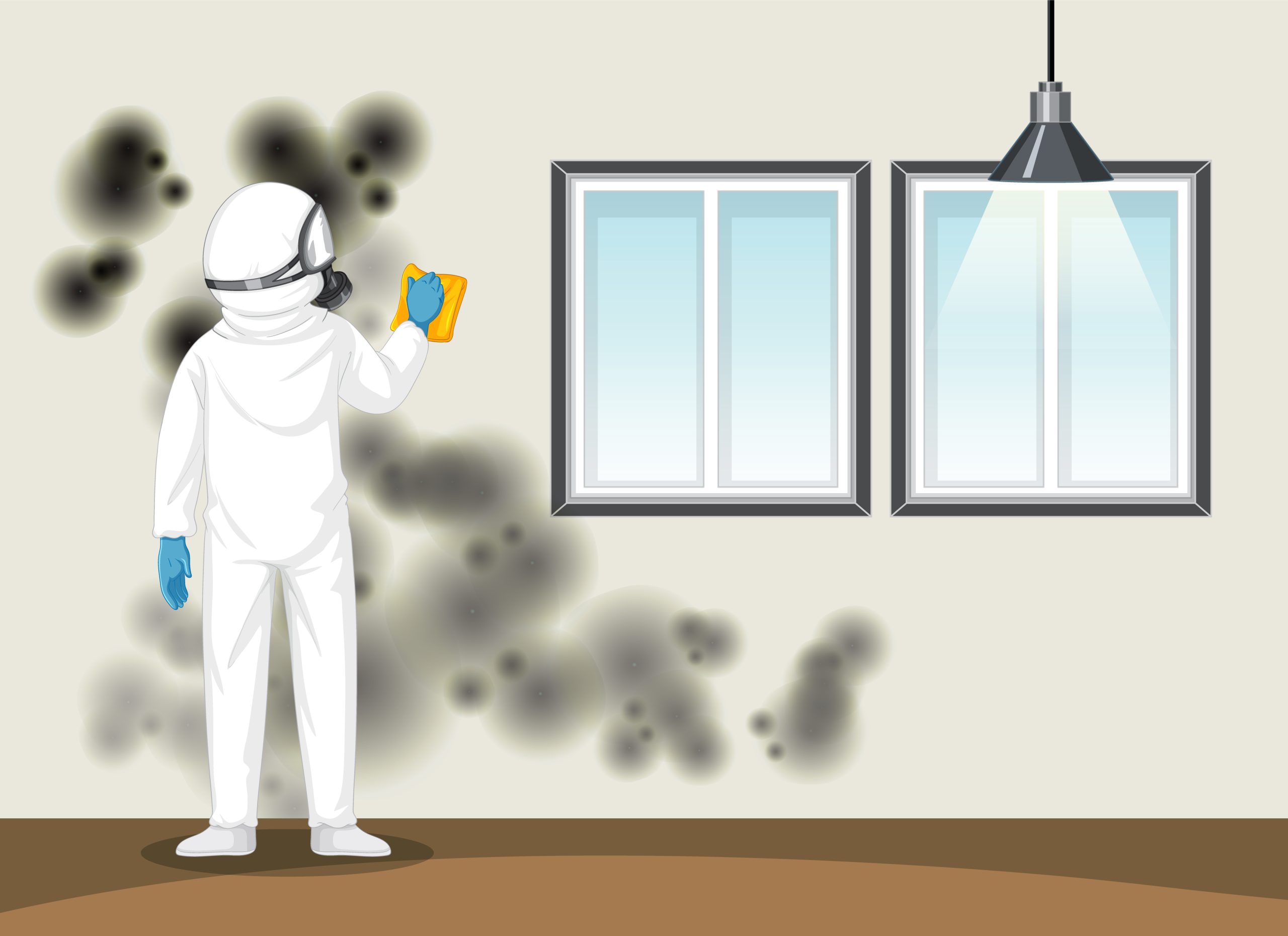
Quick answer: Trauma cleaning is a specialist service that removes biological contamination — blood, bodily fluids, biohazards — from a property after a traumatic event. Trained technicians handle it using professional equipment, and it has to meet Australian health and safety regulations. It’s not a job for anyone without proper training.
Nobody goes looking for trauma cleaning services on a quiet Tuesday afternoon. You find out this industry exists when something goes terribly wrong — a loved one passes away at home, a serious accident happens, a tenant leaves a property in a state you weren’t prepared for. Suddenly, you’re in unfamiliar territory, trying to figure out what to do next while also dealing with everything else that comes with a moment like that.
That’s exactly what trauma cleaners are there for. They’re not regular cleaners who’ve taken on a tough job. They’re specialists — people who’ve trained specifically for these situations and understand both the physical risks and the very human weight of what they’re walking into.
This guide will walk you through everything you genuinely need to know: what trauma cleaning covers, why it’s not a DIY situation, how the process works, what it’s likely to cost, and how to find someone you can actually trust with it.
What exactly is trauma cleaning?
At its core, trauma cleaning is the safe removal and decontamination of biological hazards from a property. We’re talking blood, bodily fluids, decomposition material — things that regular cleaning products simply aren’t designed to deal with, and that can cause serious harm if they’re not handled correctly.
The scope of this kind of work is wider than most people expect. It’s not just crime scenes or violent incidents, though those are included. It covers any situation where a property has been exposed to biological contamination that makes it unsafe to live in, work in, or enter.
What kinds of situations require trauma cleaning in Australia?
Here’s what the job actually looks like in practice:
- Accidents in the home — Serious injuries that leave blood or biological material on floors, walls, or furniture.
- Unattended deaths — When someone passes away and isn’t found for some time, decomposition can spread contamination well beyond the immediate area.
- Violent incidents — Assaults or other events that leave biological hazards behind.
- Medical emergencies — Bodily fluids and other contaminants from a medical event that need proper removal before a space is safe again.
- Workplace accidents — Industrial incidents involving biological contamination that need to be resolved before the site can be used safely.
- Hoarding and squalor — Properties where conditions have deteriorated to the point of genuine health risk — animal waste, mould, pest infestations, you name it.
- Deceased estates — Cleaning and sometimes full remediation of a property after someone has passed away.
- Biohazard remediation — Sharps clearance, meth-lab decontamination, and mould removal also fall under this umbrella.
It’s a broad field. And honestly, no two jobs look the same.
Why is it called “trauma” cleaning?
The word “trauma” refers to the nature of the event itself — not just the emotional side of things, though that’s real too. Trauma cleaning deals with the aftermath of situations that are both physically hazardous and often deeply distressing for everyone involved. It’s the word that best captures what these jobs actually are.
Why you can’t just clean it up yourself
This is important, so let’s be straight about it: DIY trauma cleaning isn’t just a bad idea — it’s genuinely risky.
Blood and bodily fluids can carry serious pathogens, including hepatitis B, hepatitis C, and HIV. And these contaminants don’t stay on the surface. They soak into carpet fibres, timber flooring, wall cavities, and insulation — often far beyond what you can see. A spot that looks clean to the eye can still be harbouring serious contamination underneath.
Standard cleaning products won’t fix that. They might remove visible staining or cover up a smell for a while, but they don’t eliminate contamination at the level needed to make a space actually safe.
Here’s a fictional scenario to make it concrete: imagine a family whose elderly grandfather passes away at home and isn’t found for several days. They want to handle the clean-up themselves — it feels more private, and they’re trying to save money during an already stressful time. But without proper protective gear, specialist disinfectants, and the training to know where contamination actually spreads, they risk exposing themselves to real pathogens — and possibly making the problem worse by moving contaminated materials through other areas of the house.
That’s not a scenario anyone should find themselves in.
There’s also a legal angle. Australian regulations have clear requirements around the handling, containment, and disposal of biological waste. Professional trauma cleaners know these requirements inside out. If you’re dealing with biohazardous material on your own and not following the rules, you could be in breach of those regulations without even knowing it.
What happens during a professional trauma cleaning service?
The process varies from job to job, but the structure is consistent. Here’s what a professional team typically works through:
Step 1: Site assessment
The team starts by assessing the full scope of contamination — what’s visible and what might not be. This determines the approach, the equipment needed, and how long the job is likely to take.
Step 2: Scene containment
Before anything is touched, the area is isolated with barriers and protective coverings to stop contamination spreading to unaffected parts of the property.
Step 3: Removal of biological material
Using specialised equipment and absorbent materials, technicians remove the hazardous material. The highest-risk stuff comes out first.
Step 4: Deep cleaning and disinfection
Hospital-grade disinfectants go on to every affected surface. These aren’t your supermarket-shelf products — they’re formulated to eliminate pathogens at the source, not just cover them up.
Step 5: Structural material removal (when needed)
Sometimes contamination has gone too deep into flooring, insulation, or soft furnishings to be cleaned in place. When that happens, those materials are removed and disposed of through approved biohazard waste channels.
Step 6: Deodorisation and final inspection
Specialist odour treatments deal with any remaining smells. Then comes a thorough final check to confirm the space meets required safety standards before the job is signed off.
The whole process can take a few hours or run to several days — it really depends on what the team is dealing with.
How much does trauma cleaning cost in Australia?
Cost is usually one of the first things people want to know, and fair enough — these aren’t small bills.
According to Bio Clean Melbourne, the average cost of a biohazard clean in a standard Australian home sits around $4,000. But that’s a starting point, not a fixed number. What you actually pay will depend on:
- The size of the affected area — One room versus multiple rooms or an entire property is a very different job.
- How severe the contamination is — More biological material means more time, more product, and more work.
- How long it’s been since the incident — Contamination that’s had time to sit and spread is harder and more expensive to remediate.
- Whether structural materials need to come out — Replacing flooring or insulation adds to the cost significantly.
Always ask for a detailed written quote before anything starts. Any reputable company will assess the site first and give you a clear price upfront.
Does home insurance cover trauma cleaning in Australia?
It can — but you’ll need to check your policy specifically. Some home insurance policies do cover trauma cleaning, particularly where the situation involved accidental death or criminal activity. Contact your insurer early in the process and hold onto every receipt and document the cleaning company provides. You’ll likely need them for any claim.
What should you look for in a trauma cleaning company?
When you’re searching for help in a high-pressure moment, here’s what actually matters:
- Certified, trained technicians — Look for IICRC accreditation or equivalent qualifications in biohazard remediation. This isn’t a job for someone who’s just willing to give it a go.
- Round-the-clock availability — Traumatic events don’t happen on a schedule. Your trauma cleaning service needs to be reachable at 2am as readily as 2pm.
- Compliance with Australian regulations — They should know and follow the rules for biological waste handling and disposal. Ask about it directly if you’re unsure.
- Genuine compassion and discretion — This is a big one. The team coming into your home or business during one of the worst moments you’ve experienced should treat you and your space with real care. Non-judgmental, calm, and respectful matters a lot.
- Transparent pricing — No surprises. Written quote, clear scope of work, no hidden extras.
- Broad experience — Companies that handle the full range — from hoarding situations to crime scene remediation — tend to be better equipped across the board.
[Company Name] ticks every one of those boxes. Their trained team works across Australia with a genuine commitment to doing the job properly and treating every client with the care they deserve.
The emotional side nobody talks about
There’s something that doesn’t often get mentioned in conversations about trauma cleaning, and it probably should: for the people making that call, it’s almost never an ordinary day.
They’re grieving. They’re in shock. They might be furious, or completely numb, or trying to hold it together for someone else. The last thing they need is to feel judged or rushed or like they’re just another job on a schedule.
The best trauma cleaning companies understand this instinctively. Getting the space physically clean is the work — but giving someone back a safe, liveable environment when they desperately need it? That’s the real outcome. Technicians who bring empathy into that space alongside their equipment make a real difference to real people. That’s worth saying out loud.
You don’t have to handle this alone
Dealing with the aftermath of a traumatic event is genuinely one of the hardest things a person can go through. The clean-up should not be one more burden to carry.
[Company Name] provides trauma cleaning services across Australia, available 24/7 for emergency situations. Whether you’re dealing with an unattended death, a hoarding property, a biohazard concern, or something else entirely, their team is ready — professionally, quietly, and with real care. Reach out today for a confidential chat and an upfront quote.
Frequently asked questions about trauma cleaning
What is trauma cleaning in Australia?
Trauma cleaning is the professional removal of biological contamination — blood, bodily fluids, and other biohazards — from a property following a traumatic event. It requires specialist training, specific equipment, and compliance with Australian health and safety regulations. Standard cleaning methods aren’t sufficient for these situations.
When do you need to call a trauma cleaning service?
Any time biological hazards are present at a property — after accidents, unattended deaths, violent incidents, medical emergencies, workplace accidents, or in cases of severe hoarding and squalor. If blood or bodily fluids are involved, call a professional. Don’t try to manage it yourself.
Is trauma cleaning covered by insurance in Australia?
Some home insurance policies do cover it, particularly after accidental death or criminal activity at the property. Check your specific policy and get in touch with your insurer early. Keep every document and receipt from the cleaning company — your insurer will need them.
How long does a trauma cleaning job take?
It depends on the size of the area, how severe the contamination is, and whether structural materials need to be removed. Smaller jobs can be done in a few hours. More complex situations — like an unattended death or meth-lab remediation — can take a day or two, sometimes more.
How much does trauma cleaning cost in Australia?
According to Bio Clean Melbourne, the average cost for a biohazard clean in a standard Australian home is around $4,000. That figure can go higher depending on severity, size, and how long the contamination has been present. Always get a written quote before work begins.
Can you do trauma cleaning yourself?
No. Biological contamination carries pathogens that are invisible to the naked eye and can cause serious illness. Without proper protective equipment, hospital-grade disinfectants, and knowledge of Australian biohazard disposal regulations, you’re putting yourself at real risk — and possibly breaking the law without realising it.
What qualifications should a trauma cleaning company have in Australia?
Look for IICRC-certified technicians or equivalent biohazard remediation training, clear compliance with Australian WHS regulations, verified police checks for all staff, 24/7 availability, and a track record of handling these jobs with both professionalism and compassion.
Leave a Reply