
How to Jump Start a Car: A Complete Guide
Quick answer:
- Grab your jumper cables and park the working car close by.
- Clamp the red cable to the dead positive terminal.
- Attach the remaining red clamp to the working battery’s positive post.
- Next, connect the black cable to the good negative terminal.
- Clip the final black clamp to unpainted metal on the dead car.
- Start the working car, wait a minute, and turn your key!
Cars are absolutely wonderful machines! We rely on them every single day. But they can also frustrate us immensely. A dead battery is the classic headache. Imagine running late for a big office meeting. Heavy rain is pouring down outside. You slide into the driver seat quickly. My golden retriever, Buster, was panting excitedly in the back. We were headed to the dog park. You turn the key eagerly. It just clicks. It feels like the universe is mocking you.
I know that terrible feeling very well. Ever heard that dreaded clicking sound? It completely ruins your morning! You’re definitely not alone. Dead batteries happen to the absolute best of us. I remember freezing in a snowy parking lot last July. My old sedan just refused to start. I felt so incredibly stuck. Luckily, a friendly guy with jumper cables saved my day. You can easily be that hero too! Let me show you how to jump start a car safely. It’s surprisingly simple to learn. Grab your coffee, and let’s chat about it.
Why Do Car Batteries Suddenly Fail?
Winter chills ruin batteries fast. Batteries absolutely hate the cold! When temperatures drop, your engine requires more power to turn over. At the same time, the cold drains the battery’s overall capacity. Old age is another huge factor. Most standard batteries only last about three to five years. Have you checked yours lately?
Did you leave your headlights on overnight? Everyone makes that silly mistake occasionally. Your battery drains completely dry. According to the National Highway Traffic Safety Administration (NHTSA), maintaining your vehicle properly prevents unexpected breakdowns. Short trips also hurt. Your alternator needs time to recharge the system. If you only drive five minutes daily, the charge never catches up.
Pre-Jump Safety Checks
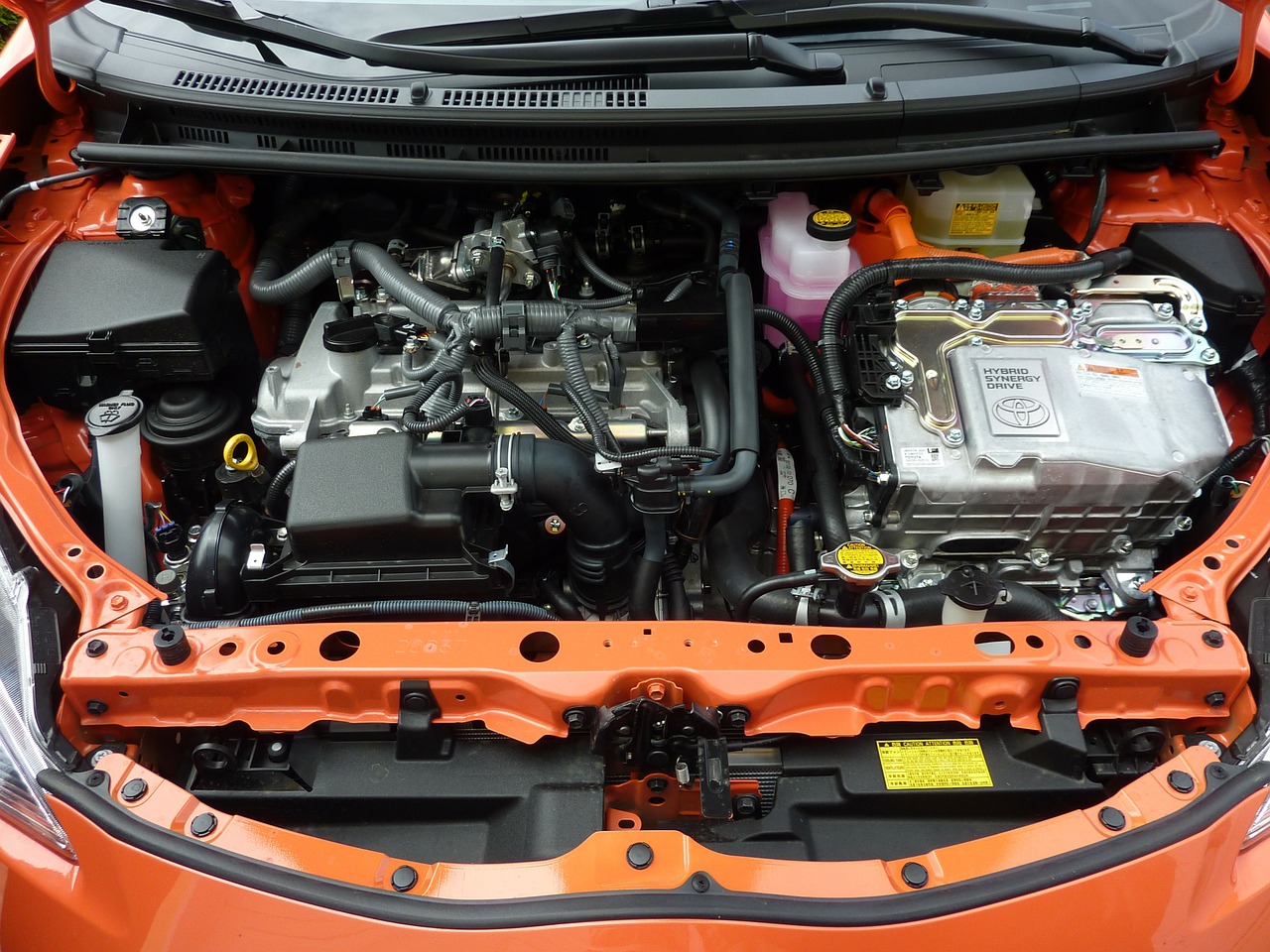
Safety always comes first with cars! Batteries hold serious electrical power. They also vent flammable hydrogen gas. Put out any cigarettes immediately. Take a good look at the battery casing. Do you see cracks? Is liquid leaking out? Stop right there. Never jump a damaged car battery. It could explode.
Check for corrosion around the terminals. It looks like white or green crusty powder. You need to clean that off. Make sure both cars are turned off completely. Engage the parking brakes on both vehicles. You definitely want them completely stable.
Essential Tools: What You Need in Your Trunk
You cannot jump a car with magic. You need the right gear! Keep a dedicated emergency kit in your trunk. It brings absolute peace of mind.
- Jumper Cables: Buy a heavy-duty set. Thick cables carry current much better.
- Wire Brush: Perfect for scrubbing off terminal corrosion.
- Flashlight: Breakdowns love happening at midnight.
- Safety Gloves: Protect your hands from nasty battery acid.
Don’t buy cheap, flimsy cables. They heat up dangerously fast. I recommend keeping a thick, high-quality set securely in your trunk alongside your dog’s spare leash!
Step-by-Step Guide to Jump-Starting
Ready to get your hands a little dirty? Let’s get that engine purring again! Follow these steps exactly.
1. Position the Vehicles
Bring the working car close to the dead one. They need to face each other. But do not let the cars touch! Leave about a foot of space. Pop open both hoods. Find the batteries.
2. Connect the Red Cables
Grab the red jumper cable. Attach one end to the positive terminal of the dead battery. It usually has a plus (+) sign or a red cover. Clamp it down tightly. Take the other red clamp. Secure it to the positive terminal of the working battery.
3. Connect the Black Cables
Now, grab the black cable. Connect one end to the negative (-) terminal of the working battery. Here is the trickiest part. Do not connect the final black clamp to the dead battery! Instead, find a clean, unpainted metal surface under the dead car’s hood. A shiny bolt on the engine block works perfectly. This creates a safe ground.
4. Start the Engines
Start the working vehicle. Let it idle for a few minutes. Rev the engine slightly. This sends a surge of power through the cables. Now, turn the key in the dead car. It should roar to life!
5. Remove Cables in Reverse Order
Leave both cars running. Disconnect the final black clamp from the grounded metal. Remove the other black clamp from the good battery. Take off the red clamp from the good battery. Finally, remove the red clamp from the newly revived battery. Don’t let the metal clamps touch each other!
Common Mistakes to Avoid
People rush things when they panic. Rushing leads to dangerous mistakes. Crossing the wires is the absolute worst error. Red goes to red. Black goes to ground. Reversing them causes massive electrical sparks. It can fry your car’s computer instantly.
Another mistake? Turning off the revived car too soon. The battery is still incredibly weak. You must let the alternator do its job.
Post-Jump Care: What to Do After the Car Starts
You did it! The engine is running. Your pup is barking happily in the back. Now what? Do not turn that engine off!
Drive the car for at least twenty minutes. Highway driving is best. The alternator needs a continuous, high RPM run to push juice back into the battery cells. The Department of Energy provides great resources on how vehicle electrical systems operate efficiently. If you turn the car off immediately, you will need another jump tomorrow.
Once you get home, consider plugging it into a smart trickle charger overnight. This ensures a complete 100% top-off.
When to Call a Professional
Sometimes, jumper cables just aren’t enough. You must know when to throw in the towel. If you hear a rapid clicking sound but the engine won’t turn, the starter might be dead.
Does the battery smell like rotten eggs? That indicates a dangerous sulfur leak. Walk away immediately. Is the battery case swelling up like a balloon? That means it is frozen or overcharged. Attempting to jump a swollen battery is incredibly dangerous. Save yourself the headache and call a tow truck.
Frequently Asked Questions
Can you jump start a car in the rain?
Yes! It is generally safe. Your car’s electrical system operates at a low voltage (12V). You won’t get electrocuted by the rain. Just keep the cable clamps dry before attaching them.
Will jumping a dead car damage my working car?
Not if you follow the correct steps! Modern cars have sensitive electronics. Surges can cause issues. Always ensure the clamps are connected properly to avoid short circuits.
Can I use a hybrid car to jump start a regular car?
Usually, no. Many manufacturers specifically warn against this. The 12-volt battery in a hybrid is often too small to crank a heavy gas engine. You could blow a very expensive fuse.
Hit the Road With Confidence
Being stranded with a dead battery is incredibly stressful. But armed with the right knowledge, it becomes a minor bump in the road. You can handle this! Keep your jumper cables untangled. Check your battery terminals every few months. Take your dog for plenty of long, scenic drives to keep that alternator happy.
Ready to learn more about keeping your vehicle in top shape? Subscribe to our weekly automotive tips newsletter today, and never let a breakdown ruin your weekend plans again!

Leave a Reply