
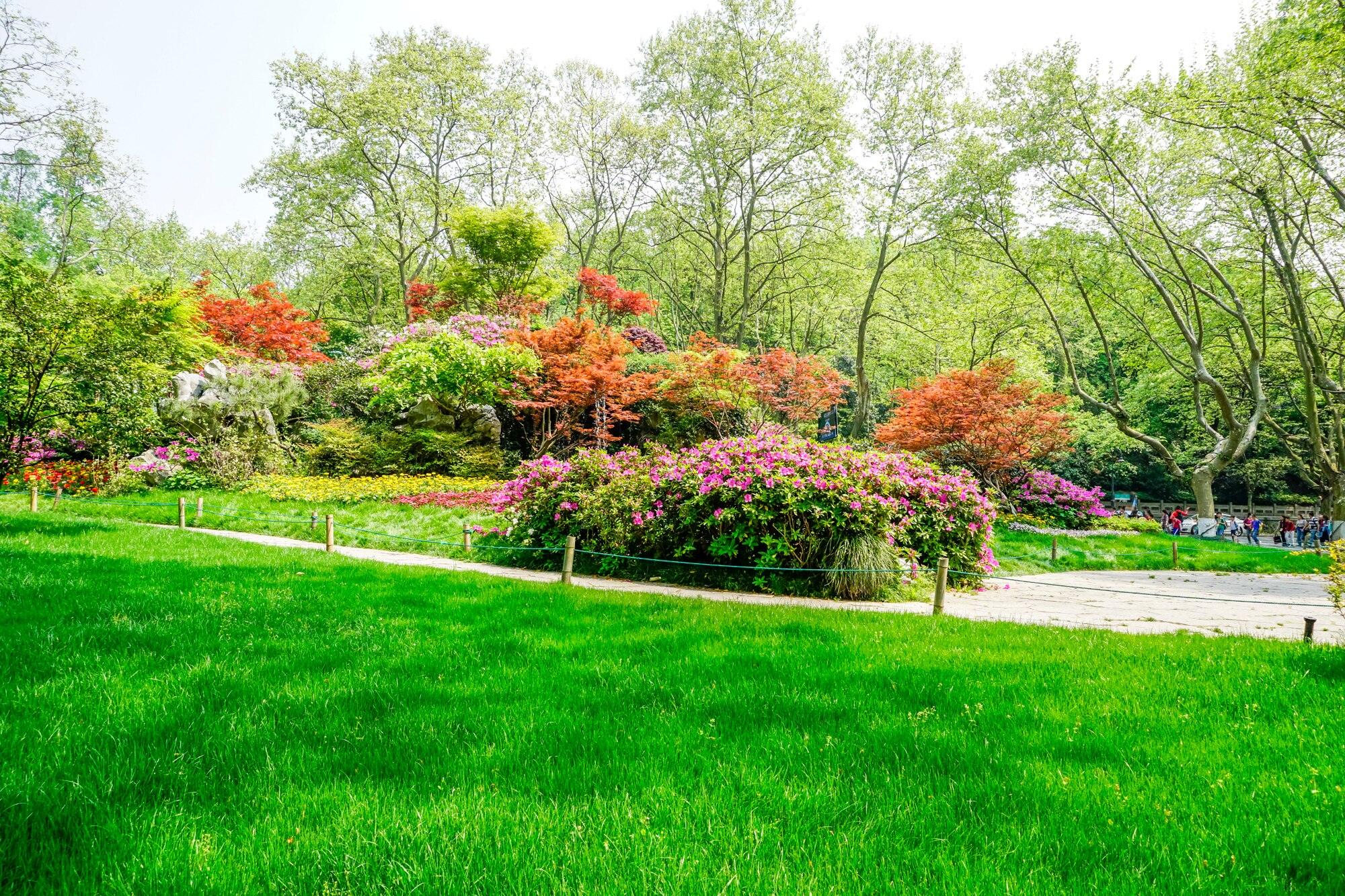
Guide to Hydroseeding Services in Australia
If you’ve ever looked at a bare block, a dusty slope or a patchy lawn and thought, How on earth is that going to turn green?, you’re not alone. It’s a common problem across Australia, whether you’re managing a new housing estate in western Sydney, a roadside batter in regional Victoria, a mine rehabilitation project in Queensland, or a large backyard in Perth that’s been baked hard by the sun.
That’s where hydroseeding services come in.
Hydroseeding is one of the smartest ways to establish grass and vegetation over large areas without the cost and labour of laying traditional turf. Instead of rolling out instant lawn by hand, contractors spray a specially mixed slurry of seed, mulch, fertiliser, water and binding agents across prepared soil. The result is fast, even coverage that helps seed germinate, hold moisture and stay put while it grows.
In Australian conditions, that matters a lot. We deal with heat, wind, erosion, poor soils and unpredictable rain, sometimes all in the same week. A good hydroseeding program is not just about making an area look green. It’s about soil stabilisation, dust control, erosion management and long-term vegetation establishment.
In this guide, we’ll walk through how hydroseeding works, what it costs in Australia, where it’s used, how it compares with turf, and what to expect if you’re planning a project. We’ll keep it practical, easy to follow and grounded in real-world use, so whether you’re a homeowner, developer, contractor or facilities manager, you’ll come away with a clearer picture of whether hydroseeding is right for your site.
Key Takeaways
- Hydroseeding is a cost-effective way to establish vegetation across large Australian sites, often costing less than traditional turf for broad-area coverage.
- It supports fast germination and early growth by surrounding seed with moisture-retaining mulch and starter nutrients.
- It’s widely used for erosion control and dust suppression on civil, commercial, mining and infrastructure projects.
- Hydroseeding mixes can be tailored to suit different climates, soil types and project goals, including native revegetation and difficult soils.
- Professional site preparation and aftercare matter just as much as the spray application itself if you want strong, lasting results.
What exactly is the hydroseeding process and what is in the mixture?
At its simplest, hydroseeding is a method of planting seed by spraying it onto the ground in a wet slurry.
That slurry is mixed inside specialised equipment and then applied evenly across the site through a hose or cannon. It may look straightforward from a distance, but the real value is in the mix design. A properly prepared hydroseeding blend gives seed a much better start than simply broadcasting it dry over the soil and hoping for the best.
You can think of it like giving seed its own little support system from day one.
A standard hydroseeding mix usually includes:
- Seed: Chosen to suit the local climate, soil conditions and purpose of the site. This may include turf grasses, pasture species, cover crops or native Australian varieties.
- Mulch: Usually made from paper, wood fibre or a blend of both. Mulch helps hold moisture, reduces surface temperature swings and protects seed from wind and runoff.
- Fertiliser: A starter fertiliser helps young plants establish roots and put on early growth.
- Tackifier: This is a binding agent that helps the slurry cling to the soil, especially on slopes or exposed ground.
- Water: The carrier that allows the mix to be sprayed evenly and gives seed the moisture it needs to kick off germination.
Some jobs also include soil conditioners, wetting agents, lime, gypsum, compost-based additives or microbial products, especially where the soil is poor or compacted.
Why does this matter? Because in Australia, many sites are far from ideal. A flat suburban lot is one thing. A dry embankment, a freshly cut roadside slope or a stripped mining area is another story entirely. In those tougher settings, hydroseeding gives seed a fighting chance by creating a more stable, protected growing environment from the start.
What are the main benefits of using hydroseeding services in Australia?
Hydroseeding has grown in popularity here because it solves several problems at once. It’s not only about establishing grass. It’s also about reducing risk, improving appearance, and helping a site move from bare and exposed to stable and usable.
How does hydroseeding support quick vegetation establishment?
One of the biggest reasons people choose hydroseeding is speed.
Because the seed is applied with mulch, moisture and nutrients in one pass, it tends to establish more evenly than dry seeding. The mulch helps keep the seed bed damp, which is critical in the first week or two. In many Australian conditions, that can mean visible green shoots within seven to 14 days, depending on the season, irrigation and seed type.
For example, if a developer has just finished earthworks on a residential subdivision, leaving the site bare for too long can create dust, erosion and a poor visual impression. Hydroseeding offers a quicker path to green cover than traditional hand seeding, especially over large areas.
Why is hydroseeding effective for erosion and soil stabilisation?
Bare soil is vulnerable. Once wind or rain gets hold of it, problems can escalate quickly.
Hydroseeding helps by forming a protective layer over the surface. The tackifier and mulch reduce the impact of rainfall, slow surface water movement and help stop topsoil from washing away. Then, as the vegetation establishes, root systems begin to hold the soil together more permanently.
This is especially valuable on:
- highway batters
- drainage lines
- construction site embankments
- rail corridors
- commercial cut-and-fill sites
- mine rehabilitation areas
Anyone who’s seen a slope after heavy rain knows how quickly gullies can form. Hydroseeding won’t solve every erosion issue on its own, but it is often a key part of an effective stabilisation strategy.
How does hydroseeding help with dust control?
Dust is more than just a nuisance. On Australian work sites, it can become an environmental issue, a health concern and a compliance headache.
Hydroseeding helps suppress dust almost immediately because the wet slurry binds loose particles at the surface. Then, once vegetation establishes, the site gains a longer-term dust control solution.
This is particularly useful in dry inland regions, on industrial estates, and on large subdivisions where exposed soil can otherwise keep blowing into surrounding streets and properties. It’s one of those practical benefits that can save a lot of frustration later.
Hydroseeding vs. traditional turf: Which is better for Australian landscapes?
This is one of the most common questions people ask, and the honest answer is: it depends on the job.
If you want an instant lawn outside a finished home, turf may still be the better fit. But if you’re covering a large area, managing slopes, or trying to keep costs under control, hydroseeding often makes more sense.
Here’s a side-by-side comparison:
| Feature | Hydroseeding | Traditional Turf |
|---|---|---|
| Initial Cost | Lower for large areas | Higher, especially over broad sites |
| Installation Speed | Very fast over large areas | Slower and more labour-intensive |
| Establishment Time | Usually a few weeks for full cover | Instant appearance, but still needs time to root |
| Erosion Control | Very good on slopes and uneven terrain | Better suited to flat, prepared ground |
| Labour Requirements | Lower on broad-acre jobs | Higher due to manual laying |
| Seed Flexibility | Can be customised to site conditions | Limited to available turf varieties |
A simple way to think about it is this:
- Choose hydroseeding if you need affordable, large-scale coverage, slope stabilisation or a tailored seed blend.
- Choose turf if you want an instantly green finish for a smaller, highly visible area and have the budget for it.
A lot of Australian projects actually use both. For instance, a developer might use turf around display homes and streetscapes, then hydroseed the wider open spaces, batters and drainage areas. That kind of mixed approach often gives the best balance of cost and appearance.
How much do hydroseeding services cost in Australia?
When people search for hydroseeding cost Australia, they usually want a quick number. Fair enough. Budgets matter.
In general, hydroseeding in Australia can range from around $0.40 to $5.00 per square metre, depending on the size and complexity of the job.
That’s a broad range because no two sites are exactly alike. A large, accessible area with straightforward seed and mulch requirements will usually sit at the lower end. A smaller, steeper or more difficult site with premium seed blends, soil amendments or access issues will cost more.
Common factors that affect hydroseeding price include:
- total square metre area
- ease of site access
- slope and terrain
- soil condition
- seed type and blend
- mulch quality
- use of tackifiers or additives
- irrigation availability
- site preparation needs
- regional location within Australia
For example:
- A broad rural or infrastructure job covering many hectares may achieve a lower per-square-metre rate.
- A residential block with steep access and a custom lawn blend may sit closer to the upper end.
- A mine or civil rehabilitation site may require specialised mixes for erosion control and degraded soils, which can change pricing significantly.
It’s also worth remembering that the spray application is only part of the total job. Site prep matters. If the soil is compacted, full of weeds or lacking nutrients, those issues need to be addressed before hydroseeding begins.
If you’re comparing quotes, ask each contractor what is actually included. A cheaper quote may not include soil preparation, follow-up visits or the same quality of mulch and seed.
What is the difference between standard and ameliorated hydromulch?
This is an important distinction, especially on challenging Australian sites.
Standard hydromulch
Standard hydromulch is the more basic approach. It generally includes seed, mulch, water, fertiliser and tackifier. It works well where the soil already has reasonable structure and fertility and simply needs a quick, effective method to establish vegetation.
This is often suitable for:
- residential blocks with decent topsoil
- commercial landscaping zones
- roadside areas with prepared soil
- open spaces that already have acceptable growing conditions
Ameliorated hydromulch
Ameliorated hydromulch is designed for tougher conditions. It includes the core hydroseeding ingredients, but also adds soil-improving materials to help poor ground support plant life.
These additions can include:
- gypsum
- lime
- composted organics
- humic substances
- wetting agents
- microbial inoculants
- pH-correcting amendments
- soil conditioners
This type of mix is often used where topsoil has been removed, the ground is sterile or compacted, or salinity and poor structure are limiting growth. That makes it particularly relevant on civil construction sites, mine rehabilitation areas and heavily disturbed land.
In plain English: if the soil is already in decent nick, standard hydromulch may do the job. If the site is hostile to plant growth, you may need an ameliorated mix to give the vegetation a real chance.
What are the most common applications for hydroseeding?
One of the reasons hydroseeding services are so widely used in Australia is their flexibility. It’s not limited to one industry or one type of site.
Here are some of the most common uses.
Civil infrastructure and roadworks
Hydroseeding is widely used on road batters, drainage channels, median areas and transport corridors. It helps stabilise exposed soil quickly and can be applied to areas where laying turf would be slow, difficult or unsafe.
Mine site rehabilitation
Mining and resources projects often need vegetation establishment as part of environmental management and closure requirements. Hydroseeding can help reintroduce cover to disturbed areas, reduce erosion and support rehabilitation objectives.
Commercial and industrial developments
Large estates often have broad expanses of exposed ground after construction. Hydroseeding helps improve presentation, cut dust and move the site towards practical completion with greener, more stable ground cover.
Solar farms and energy sites
Vegetation under and around solar infrastructure helps reduce erosion, manage dust and improve site performance over time. Hydroseeding can be an efficient option for these large, open areas.
Residential landscaping
For homeowners with larger blocks, hydroseeding can be a more affordable alternative to laying turf everywhere. It’s especially useful where the area is too large to turf economically, or where the site has gentle slopes and a bit of patience is acceptable.
A good example is a family building on an acreage block. After construction, they may be left with a sea of bare soil around the home. Turfing the whole lot could blow the budget. Hydroseeding gives them a practical way to establish a lawn-like finish across the broader property while keeping costs more manageable.
Securing professional hydroseeding services for your next project
Hydroseeding may sound simple on paper, but results depend heavily on the quality of the planning, preparation and application.
A skilled contractor will look beyond the seed itself and consider the bigger picture, including:
- local climate and season
- soil type and pH
- drainage behaviour
- slope stability
- irrigation availability
- intended land use
- required species mix
- maintenance expectations
That local knowledge matters. A hydroseeding strategy that works in coastal New South Wales may not be the right fit for inland South Australia or tropical Queensland. Australian conditions vary too much for a one-size-fits-all approach.
If you’re seeking hydroseeding services in Australia, it’s worth asking potential providers a few practical questions:
- What seed blend do you recommend for this site and why?
- Is soil testing needed before application?
- What site preparation is included?
- How soon should irrigation begin?
- What establishment period should I expect in this region?
- Will follow-up touch-ups be required?
- Do you handle erosion control on steep slopes as part of the package?
A reputable contractor should be able to explain the process clearly, not bury you in jargon, and give realistic expectations rather than overpromising instant perfection.
Frequently Asked Questions
Can you hydroseed over existing grass or weeds?
Not effectively, no.
For hydroseeding to work well, the seed needs good contact with the soil. If there is existing grass, weed growth or thick debris across the surface, the new seed will struggle to establish properly. It will also face immediate competition for water, light and nutrients.
In most cases, the area should be cleared, treated or cultivated before hydroseeding begins.
How often do I need to water a newly hydroseeded area?
In the early stages, consistent moisture is essential.
Most hydroseeded areas need light, frequent watering during establishment, often two to three times a day for the first couple of weeks, depending on weather and soil conditions. The goal is to keep the mulch layer moist, not saturated.
Once the grass has germinated and begun to establish, watering can usually be reduced gradually. In hotter parts of Australia, irrigation management becomes especially important.
Is the green dye used in hydroseeding safe for pets and wildlife?
Yes. The green dye commonly used in hydroseeding is generally non-toxic and designed to help operators see where the slurry has been applied.
It fades over time and is primarily there for even coverage. As always, it’s still sensible to follow the contractor’s aftercare instructions before letting pets onto the area.
What happens if it rains heavily straight after hydroseeding?
Light to moderate rain is often manageable once the slurry has settled, especially if tackifiers are used.
However, heavy rain shortly after application can damage parts of the work before the mix has had time to bind properly. On steep or exposed sites, this may lead to washouts and require touch-up treatment.
That’s why experienced contractors pay close attention to weather windows before application.
How long before hydroseeded grass is ready to mow?
This depends on the seed type, season and growth rate, but many hydroseeded areas are ready for their first mow in around four to six weeks.
The grass should be high enough to cut safely without pulling young plants out of the ground. Sharp mower blades are important, and it’s best not to remove too much height in the first mow.
Final thoughts on hydroseeding services in Australia
Hydroseeding is not a magic wand, but when it’s done properly, it’s one of the most practical and cost-effective ways to establish vegetation across Australian landscapes.
It works because it combines speed, scale and flexibility. It can help stabilise a slope, reduce dust on a construction site, green up a large commercial area or give a homeowner a more affordable path to a new lawn. And in a country where land conditions can be harsh and unpredictable, that kind of versatility matters.
If you’re considering hydroseeding services, the best next step is to get your site assessed properly. The right contractor can help you understand what blend, preparation and aftercare will give you the best chance of long-term success.
Because at the end of the day, most people don’t just want a site sprayed. They want the same thing: a result that actually grows.

Leave a Reply