
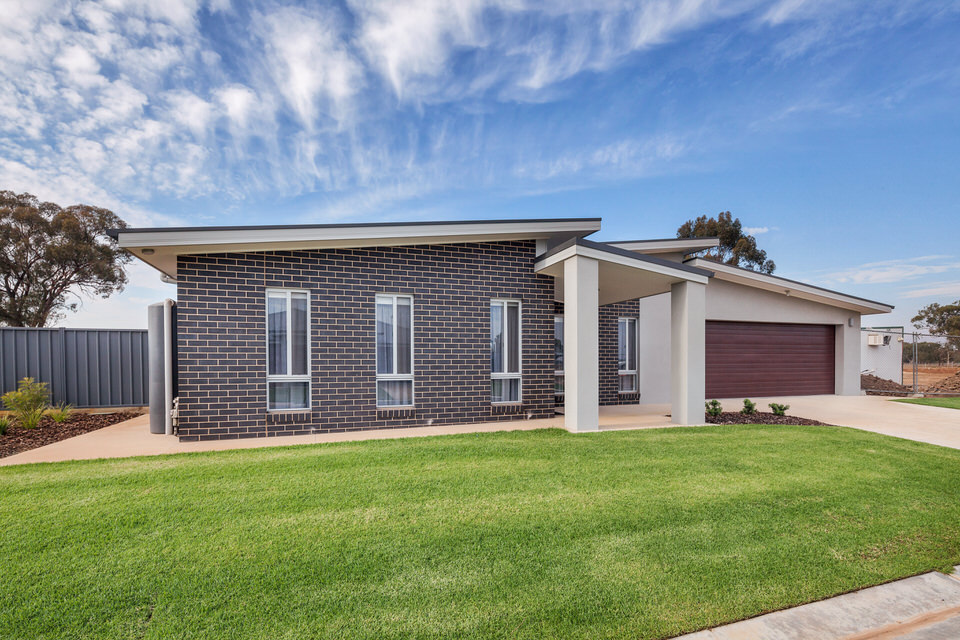
Choosing the Right SDA Housing Provider in Brisbane
Getting a place to live is a huge life event. The stakes are even higher if you are using NDIS Specialist Disability Accommodation (SDA) funding. You want more than just a roof over your head. You want a house that fits your physical needs perfectly, allows you to be independent and is your own space.
There are plenty of new SDA properties coming up in Brisbane, from modern apartments near the CBD to large houses in leafy outer suburbs. Choices are great, but they can also be overwhelming.
Picking the right house is half the work. You have to choose the right SDA provider as well. The provider owns or manages the property and will be your landlord. You want a team that is responsive, fair and really understands the NDIS.
Here is exactly what you need to know to find a great SDA provider in Brisbane.
Why your choice of provider matters
Think of your SDA provider as a highly specialised landlord. They handle the lease, manage the building maintenance, and ensure the property meets NDIS compliance standards.
A good provider makes your life easier. They fix the air-conditioning quickly when a humid Brisbane summer hits. They communicate clearly about your tenancy agreement. They respect your privacy.
A bad provider can make life incredibly stressful. If they drag their feet on essential repairs or try to dictate which support workers you use, your home quickly becomes a source of frustration. Taking the time to vet providers before you sign a lease saves you a massive headache down the track.
Local Brisbane factors to keep in mind
Brisbane has its own unique quirks. When you are looking at different providers and the homes they offer, keep these local factors in mind.
Navigating the climate
We all know Brisbane gets hot, sticky, and sometimes stormy. Look closely at how the provider designs and maintains their homes for the Queensland climate.
- Does the home have reliable, zoned air-conditioning?
- Are there shaded outdoor areas so you can enjoy the fresh air without baking in the sun?
- Does the property have a backup power system? This is a strict requirement for High Physical Support homes, but it is vital to ask how often the provider tests the system to ensure it works during a summer storm blackout.
Transport and location
Brisbane’s public transport network is a mixed bag. Some areas have brilliant, accessible busways and upgraded train stations. Other suburbs leave you heavily reliant on accessible taxis or your own modified vehicle.
- Check the actual footpaths around the property. A house might be close to a train station on a map, but if the street has steep hills or missing footpaths, it won’t work.
- Ask the provider if they have actually audited the local neighbourhood for wheelchair access. Good providers know the immediate local area well.
How to vet an SDA provider
You hold the funding, which means you hold the power. Treat your first few chats with an SDA provider like an interview. You are figuring out if they deserve your business.
Check their track record
Look for a provider with a solid history of managing disability housing. Some property developers jump into the SDA market just to make a quick return on investment, without knowing much about disability support. You want a provider who understands the NDIS guidelines inside and out.
Ask to speak with current tenants if possible. Word of mouth is incredibly powerful. If a provider has happy tenants who have stayed for years, that is a fantastic sign.
Assess their communication style
Pay attention to how they talk to you from day one. Do they answer your emails promptly? Do they speak directly to you, rather than just talking to your family member or Support Coordinator?
You need a provider who is transparent and easy to reach. If they take two weeks to return a simple phone call when they are trying to get you to sign a lease, imagine how long they will take to fix a broken door once you move in.
Crucial questions to ask before you sign
When you sit down for a coffee with a potential provider, bring a list of questions. Don’t feel bad about grilling them a little bit. A quality provider expects these questions and will answer them happily.
Questions about property management
- Who do I call in an emergency? Find out if they have a 24/7 contact number for urgent repairs, like a burst pipe or a broken ceiling hoist.
- What is your routine maintenance schedule? Ask how often they service specialised equipment like automated doors, adjustable benchtops, and elevators.
- How do you handle modifications? Even though SDA homes are purpose-built, you might need a minor tweak, like a grab rail moved an inch to the left. Ask how open they are to making small changes to suit your specific needs.
Questions about your living arrangements
- Can I choose my own SIL provider? This is incredibly important. SDA is your bricks and mortar. Supported Independent Living (SIL) is the person-to-person care you receive. The NDIS strongly encourages keeping these two things separate. If an SDA provider insists you must use their specific support workers to live in the house, walk away. You should always have the freedom to change your support workers without risking your tenancy.
- How do you match housemates? If you are moving into a shared SDA home, the dynamic between housemates makes or breaks the experience. Ask the provider exactly how they handle compatibility. Do they arrange meet-and-greets? Do they consider lifestyle preferences, like whether you are a night owl or an early bird?
Red flags to watch out for
While there are many excellent SDA providers in Brisbane, a few bad apples exist. Keep an eye out for these warning signs.
Pushy sales tactics: If a provider pressures you to sign a lease immediately or tells you that you will lose your funding if you don’t act fast, take a step back. Finding the right home takes time. No one should rush you.
Vague pricing: Your out-of-pocket rent is called the Reasonable Rent Contribution (RRC). The NDIA caps this at a set percentage of your Disability Support Pension and Commonwealth Rent Assistance. If a provider asks for top-up payments, hidden fees, or cannot clearly explain your out-of-pocket costs on a single piece of paper, look elsewhere.
Poor building finishes: When you tour a property, look closely at the details. Are the doorways scuffed? Does the automated technology actually work smoothly? Cheap materials and sloppy finishes indicate a developer who cuts corners. If they cut corners on the build, they will likely cut corners on the property management.
Taking your next steps
Finding the right SDA home in Brisbane is a journey, but it is entirely manageable when you know what to look for. Start by chatting with your Support Coordinator or Occupational Therapist. They often know which local providers have the best reputations and which ones to avoid.
Take your time touring different properties. Spend a few hours in the suburb to see if you actually like the vibe of the neighbourhood. Ask the hard questions about maintenance, housemate matching, and support worker freedom.
Your SDA funding gives you the ultimate choice and control over your housing. Use that power to find a provider who respects you, maintains your home beautifully, and gives you the peace of mind to simply enjoy your life in Brisbane.

Leave a Reply