
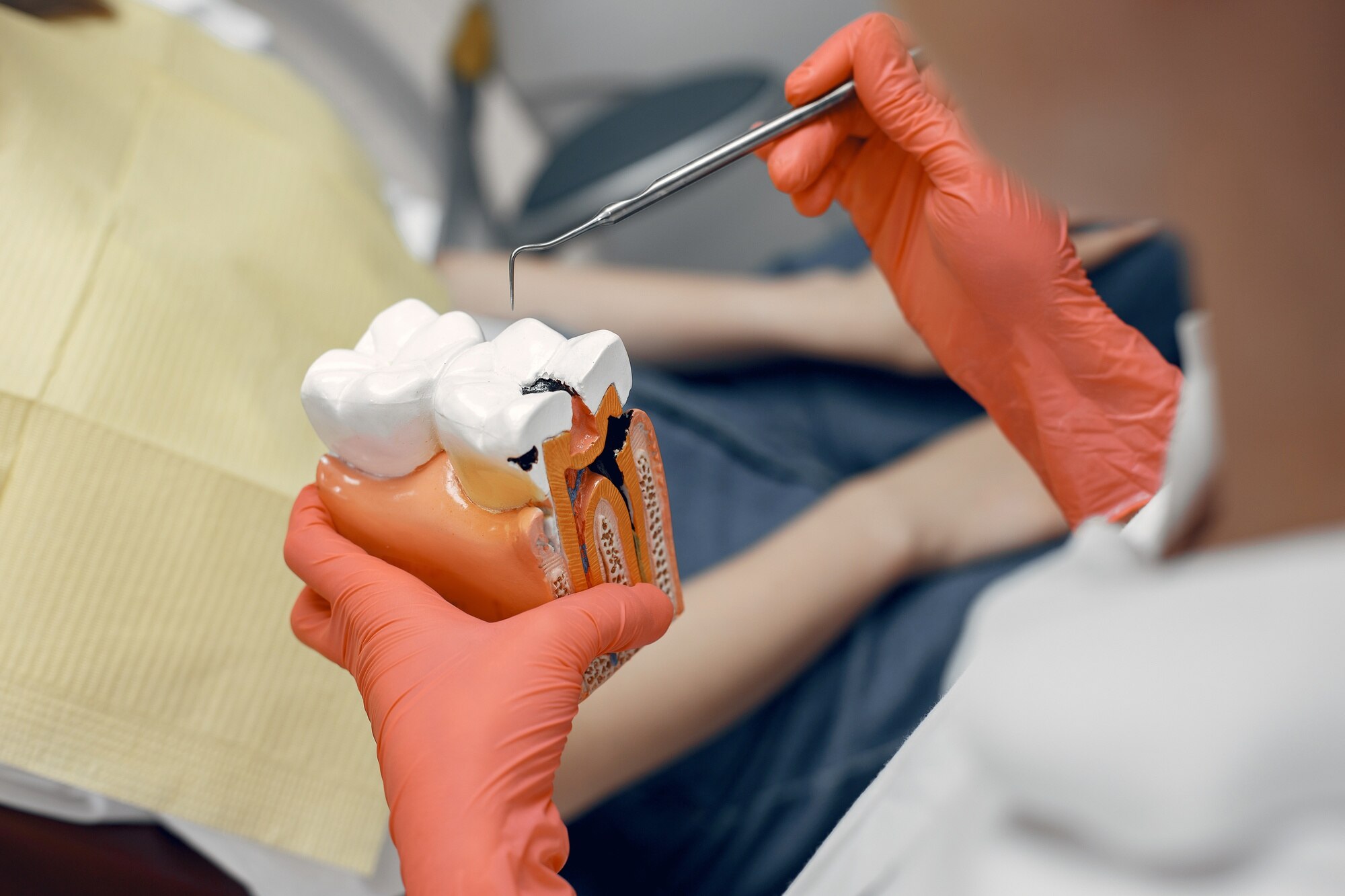
Let’s be honest: most of us only think about our teeth when something feels a little… off. A zing when you sip cold water. A suspiciously sore gum. A bit of bad breath that survives even the strongest mint. Your mouth has a funny way of getting your attention.
The good news? Many common dental problems are preventable with a few simple habits and regular care from your dental team. Here are the usual suspects – and how to keep them from causing trouble.
Dental Problem Checker

Tooth decay
Tooth decay is one of the most common dental issues, and it happens when bacteria in your mouth feed on sugars and create acids that weaken tooth enamel. Over time, this can lead to cavities. Regular brushing with fluoride toothpaste, limiting sugary snacks and drinks, and keeping up with dental check-ups all help reduce the risk.
The prevention plan is simple: brush twice a day, floss daily, drink plenty of water and try not to graze on sugary foods throughout the day. Your teeth enjoy a treat now and then – they just don’t love an all-day sugar buffet.
Gum disease
If your gums bleed when you brush or floss, don’t ignore it. Early gum disease, also known as gingivitis, can often be reversed with good oral hygiene and professional care. Left untreated, it may progress to periodontitis, which can affect the tissues and bone supporting your teeth.
The best defence? Be kind but consistent. Brush gently along the gumline, clean between your teeth every day and book regular dental visits. Think of flossing as your gums’ daily fitness routine – slightly annoying at first, but very worth it.
Tooth sensitivity
That sharp “ouch” from cold drinks, hot coffee or sweet foods can be a sign of tooth sensitivity. It may happen when enamel wears down, gums recede, or teeth are affected by decay, cracks or grinding.
To help prevent sensitivity, avoid brushing too hard, use a soft-bristled toothbrush and speak to your dentist if the problem keeps coming back. Sensitivity is common, but it is not something you need to simply put up with. Your mouth may just be asking for a little extra attention.
Bad breath
Bad breath happens to everyone occasionally (hello, garlic bread), but persistent bad breath can be linked to plaque build-up, gum disease, dry mouth or trapped food particles.
Brushing your teeth is a great start, but don’t forget your tongue. Bacteria love to hang out there like uninvited guests at a party. Flossing, staying hydrated and having regular professional cleans can also help keep your breath fresh and your mouth healthy.
Enamel erosion
Enamel is the protective outer layer of your teeth. Unfortunately, once it wears away, it doesn’t grow back. Acidic foods and drinks, frequent snacking, reflux and certain habits can all contribute to enamel erosion.
You don’t have to give up every citrus fruit or sparkling drink forever, but moderation matters. Drink water after acidic foods or beverages, avoid brushing immediately after acidic drinks, and ask your dentist for tailored advice if you notice thinning, yellowing or increased sensitivity.
Tooth grinding
Do you wake up with a sore jaw, headaches or teeth that feel tender? You may be grinding or clenching your teeth, often without realising it. Stress, sleep patterns and bite issues can all play a role.
Because grinding often happens while you sleep, prevention can be tricky on your own. A dentist can check for signs of wear and may recommend a custom mouthguard to help protect your teeth. Your teeth work hard enough during the day – they don’t need a night shift too.
Dry mouth
Saliva does more than keep your mouth comfortable. It helps wash away food particles, neutralise acids and support healthy teeth and gums. Dry mouth can increase the risk of decay and irritation, and it may be caused by dehydration, medications or certain health conditions.
To help prevent dry mouth, drink water regularly, chew sugar-free gum if suitable and raise the issue with your dentist if it becomes ongoing. A dry mouth is not just uncomfortable; it can be a clue that your oral health routine needs adjusting.
Chipped or cracked teeth
Teeth are strong, but they are not indestructible. Biting hard foods, using teeth as tools, playing contact sport without a mouthguard or grinding can all lead to chips and cracks.
Your teeth are for chewing food – not opening packets, cracking nuts or holding bobby pins while you get ready. Protect them with smart habits, wear a mouthguard during sport and have any chips or cracks checked early before they become bigger problems.
Small habits make a big difference
Preventing dental problems does not require a complicated routine. Brush twice daily with fluoride toothpaste, floss or clean between your teeth each day, choose water often, limit sugary snacks and drinks, and visit your dentist regularly for check-ups and cleans.
A healthy smile is not about perfection. It is about consistency, early action and having the right dental team in your corner.
Book your visit with Lentini Dental
Whether you are due for a check-up, dealing with sensitivity, worried about your gums or simply want to keep your smile in great shape, Lentini Dental is here to help. Book an appointment with the friendly team today and take the next step towards a healthier, happier smile: https://www.lentinidental.com.au/contact-us/



Leave a Reply