
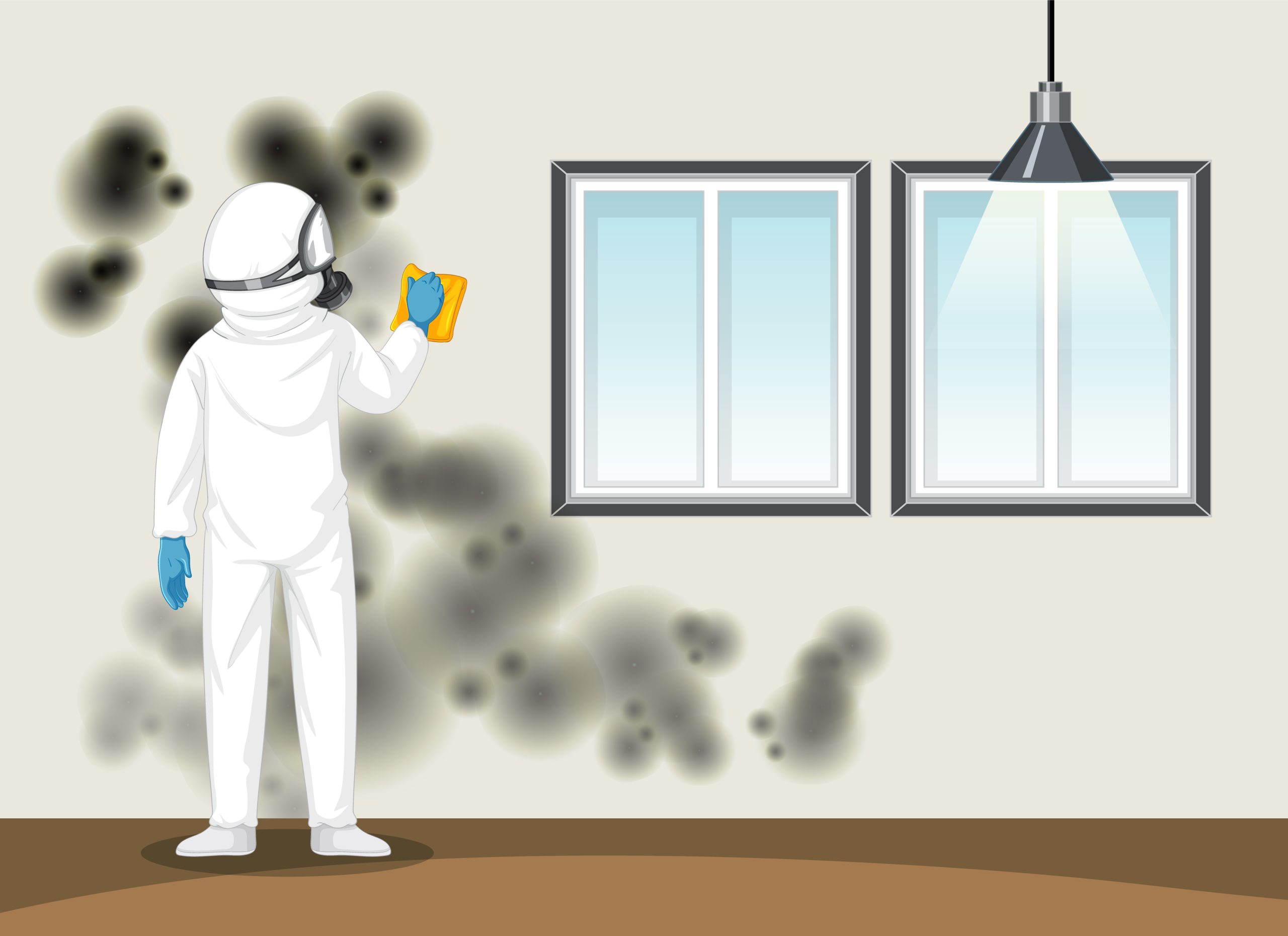
How Experts Identify Hidden Mould Behind Walls and Ceilings in the Wide Bay Region
You might not see it. But you can often smell it. Hidden mould is a silent invader in many Queensland homes. It creeps behind walls. It thrives above ceilings. And it can cause severe structural damage and health issues before it ever becomes visible.
Living in the Wide Bay and Fraser Coast regions means dealing with high moisture levels. This makes your home highly susceptible to fungal growth. But how do you fight an enemy you cannot see? You rely on the right technology.
In this guide, you will discover exactly how professionals track down hidden mould. You will learn about the advanced tools they use. And you will understand why relying on local expertise is your best defence against this stubborn problem.
The Perfect Storm: Wide Bay’s Climate and Mould Growth
The local climate is beautiful. But it is also incredibly demanding on our homes. Bundaberg, Hervey Bay, and the broader Fraser Coast experience a humid subtropical climate. And this creates the ultimate breeding ground for mould spores.
Here is why our region faces such unique challenges:
- High Humidity: Coastal Queensland air is constantly laden with moisture. This ambient humidity seeps into porous building materials.
- Heavy Rainfall and Flooding: Recent years have seen intense rain events. Flash flooding pushes water into wall cavities. And once water gets in, it is very hard to dry out.
- Warm Temperatures: Mould thrives in temperatures between 15°C and 35°C. This perfectly describes our local weather for most of the year.
- Coastal Breezes: Salt air and coastal winds can push moisture into tiny cracks in your home’s exterior.
Key takeaway: You cannot control the weather. But understanding these environmental triggers is the first step in protecting your property.
Why Local Expertise Matters for Mould Remediation
Not all mould removal is created equal. A generic approach simply does not work in coastal Queensland. You need professionals who understand how our specific climate interacts with local building practices.
Experts in Australia now follow strict guidelines. The recently adopted AS-IICRC S520:2025 standard dictates professional mould remediation quality. This standard protects consumers. It ensures that remediation is thorough, safe, and scientifically backed.
Local professionals know exactly where to look. They know that a shaded southern wall in Bundaberg will hold moisture differently than a sun-baked roof cavity in Hervey Bay. And they use this knowledge to target their search.
Tip: Always ask your mould inspector if they follow the AS-IICRC S520 standard. This guarantees they are using industry-approved methods.
4 Advanced Tools Experts Use to Find Hidden Mould
Professionals do not just guess where mould is hiding. They use a suite of high-tech tools to see through walls and detect invisible moisture. Here is exactly how they do it.
1. Thermal Imaging Cameras
Water changes the temperature of building materials. Thermal imaging cameras detect these minute temperature differences. They do not actually “see” the mould. Instead, they see the cold spots caused by moisture evaporation.
An expert will scan your walls and ceilings with an infrared camera. Blue or purple spots on the screen indicate cooler, damp areas. This tells the inspector exactly where water is pooling. And where water pools, mould inevitably follows.
Key takeaway: Thermal imaging provides a rapid, non-destructive map of hidden moisture within your home.
2. Pin and Pinless Moisture Meters
Once a thermal camera identifies a cold spot, experts use moisture meters to confirm the presence of water. There are two main types used in the field.
Pinless meters are swept across the surface of the wall. They use electromagnetic waves to detect moisture up to a few centimetres deep. They are fast. And they do not damage the paint or plaster.
Pin meters are then used for precision. The expert pushes two small metal pins into the material. This measures the electrical resistance between the pins. Wood and drywall conduct electricity better when wet. This gives a highly accurate moisture reading.
Tip: Do not rely on cheap, hardware-store moisture meters. Professional-grade meters provide the exact calibration needed for accurate diagnostics.
3. Borescope Cameras
Sometimes, you just need to look inside the wall. But tearing down plasterboard is expensive and messy. Enter the borescope.
A borescope is a tiny, high-definition camera attached to a long, flexible cable. The expert drills a tiny hole—often hidden behind a skirting board or in a closet. They feed the camera into the wall cavity.
This allows them to visually inspect the back of the plasterboard. They can check the timber framing. And they can see the insulation. If mould is growing in the dark, the borescope will find it.
Key takeaway: Borescopes offer definitive visual proof of hidden mould without the need for major demolition.
4. Air Sampling and Spore Traps
Sometimes mould is hidden deep within the HVAC system. Or it is trapped beneath floorboards. In these cases, experts test the air itself.
They use specialized pumps and spore traps. These devices pull a specific volume of air through a filter. The filter catches microscopic mould spores. These samples are then sent to a laboratory.
The lab identifies the type of mould. They also measure the spore concentration. If the indoor spore count is significantly higher than the outdoor air, there is a hidden mould colony inside the house.
Tip: Air testing should never be the only method used. It must always be paired with a thorough visual and moisture inspection.
The Hidden Risks of DIY Mould Detection
It is tempting to tackle mould yourself. You might want to save money. But DIY mould detection often leads to bigger, more expensive problems.
Here is why you should leave it to the professionals:
- Cross-Contamination: Ripping open a damp wall releases millions of spores into the air. This spreads the mould to other rooms.
- Health Hazards: Certain types of mould are highly toxic. Breathing in concentrated spores can trigger severe respiratory issues.
- Missed Moisture Sources: Bleaching a spot on the wall does not fix the leaking pipe behind it. Professionals find the root cause.
- Inadequate Tools: Smartphone thermal apps and cheap moisture meters lack the sensitivity required for accurate detection.
Key takeaway: DIY methods usually only treat the symptom. Professional inspection cures the disease.
Protect Your Home from Hidden Mould
Hidden mould is a complex problem. And living in the Wide Bay and Fraser Coast regions only amplifies the risk. Our high humidity and frequent heavy rains mean your home is always under threat from fungal invaders.
But you do not have to live with poor indoor air quality. By understanding how thermal imaging, moisture meters, and borescopes work, you can see the value of a proper inspection. Professional tools remove the guesswork. They pinpoint the exact source of the moisture. And they allow for targeted, effective remediation.
Do not wait until a musty smell turns into major structural damage. If you suspect hidden mould is lurking in your home, it is time to bring in the experts. Reach out to a certified local mould remediation specialist today to arrange a comprehensive property inspection.

Leave a Reply